




FitCheckit
B2C Product
iOS
End-to-End Product Design
UI Design
Mobile-First UX
AI Content
role
End-to-end UI/UX designer
User + market research
Wireframing
Interactive prototyping
Results
Explored a virtual styling concept inspired by Clueless, translating a long-standing user aspiration into a feasible interaction model
Translated an abstract project brief for a nascent fashion-tech startup into a tangible, development-ready product concept
Produced high-fidelity interactive prototypes articulating core functionality and product direction
Timeline
4 weeks
Aug–Sep 2025
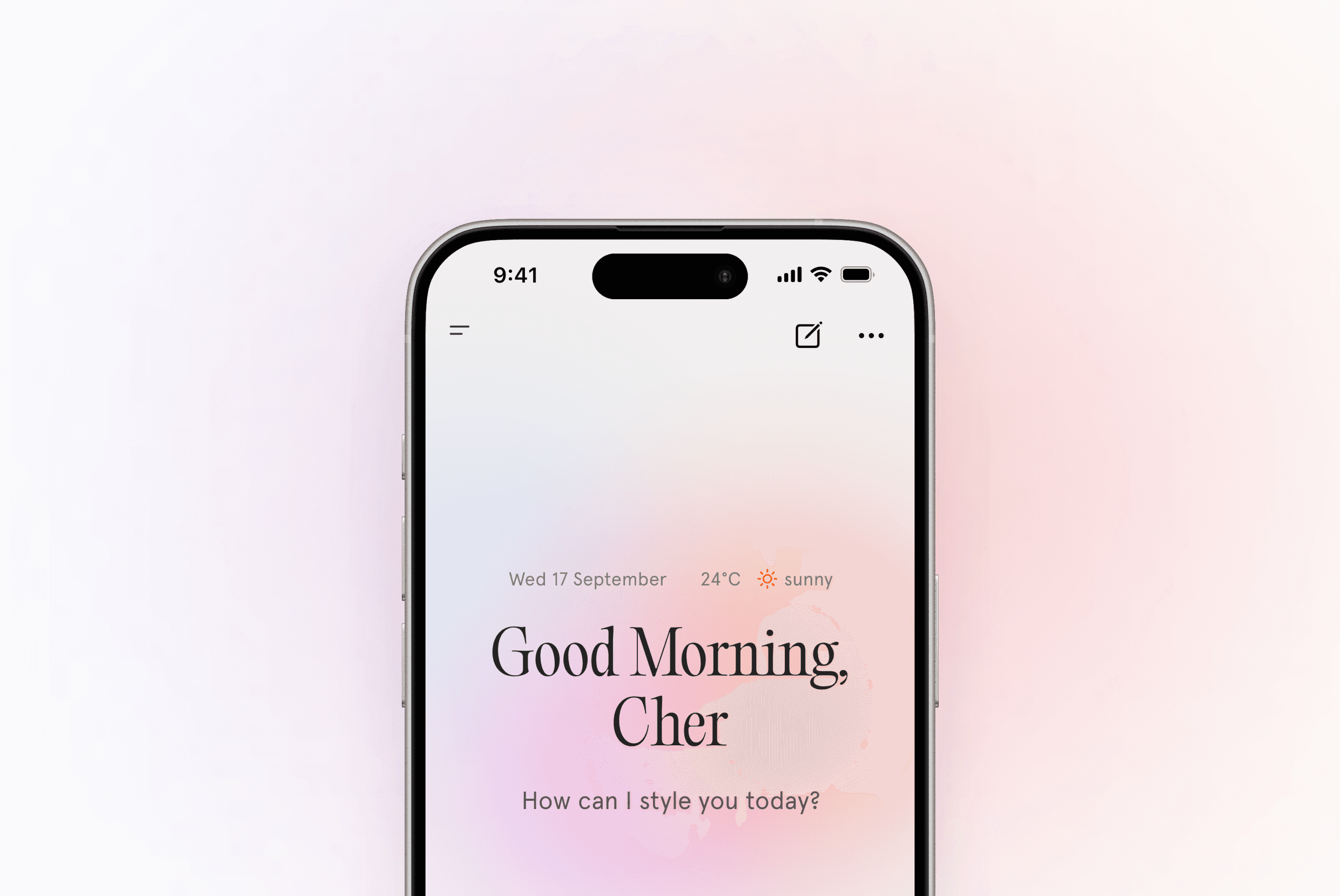
What can be learnt from 1995’s Clueless, 30 years later?
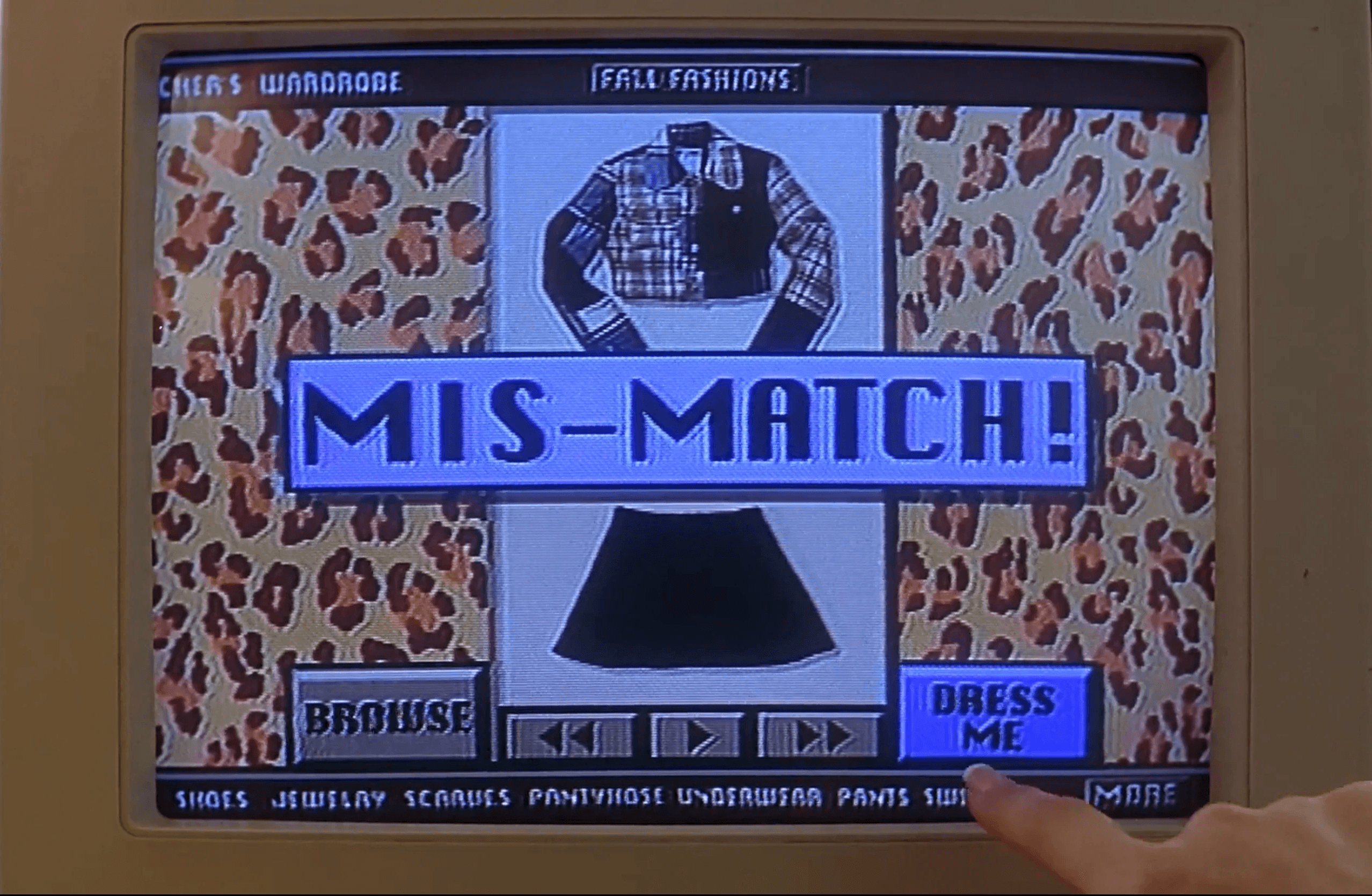
I, alongside a team of five other student UI/UX designers, was tasked with designing a virtual stylist and digital wardrobe app for FitCheckit, an emerging fashion-tech platform connecting discerning shoppers with taste-matched style recommendations. My role was spearheading research and development for the app’s AI stylist feature. In short, my mission was to modernise the essence of Cher Horowitz’s iconic wardrobe app from the 1995 film Clueless for the 2025 fashion-conscious consumer.
The problem: endless scrolling and choice overload – millions of online stores, listings, and advertisements competing for clicks, and no filter to separate the signal from the noise.
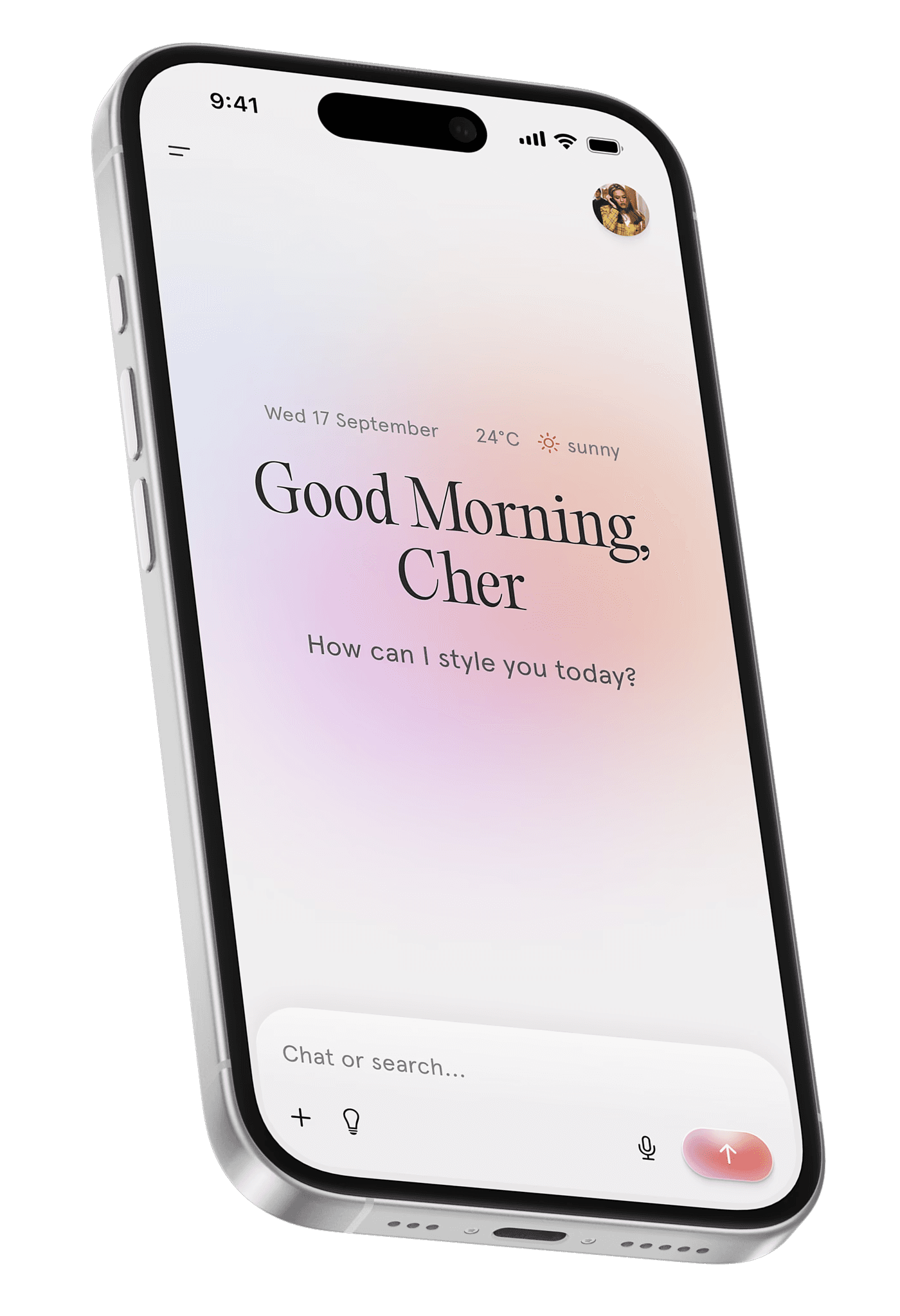
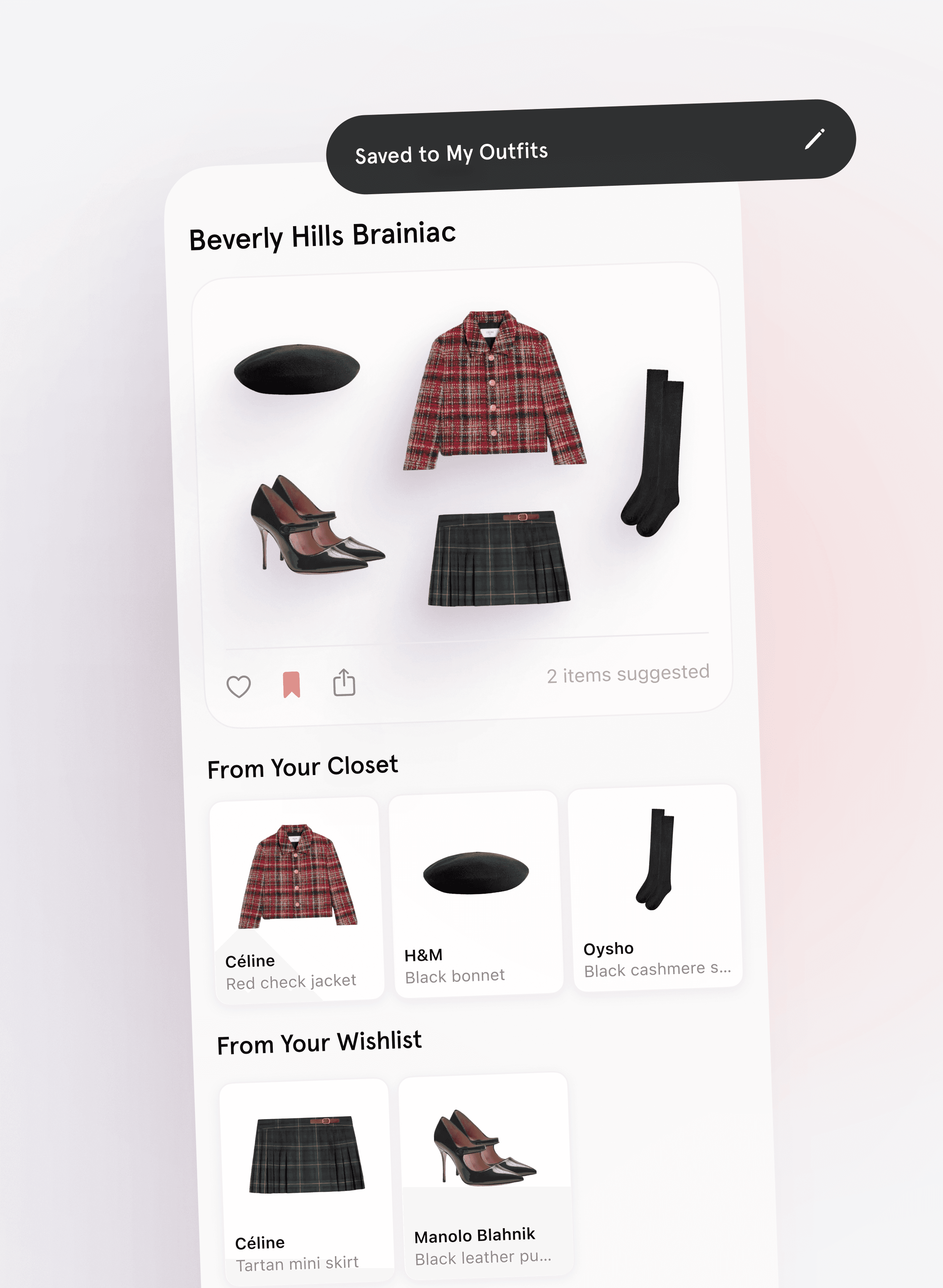
The antidote: an intuitive chat-based stylist that delivers intelligent, context-aware recommendations with the ease of a simple text message.
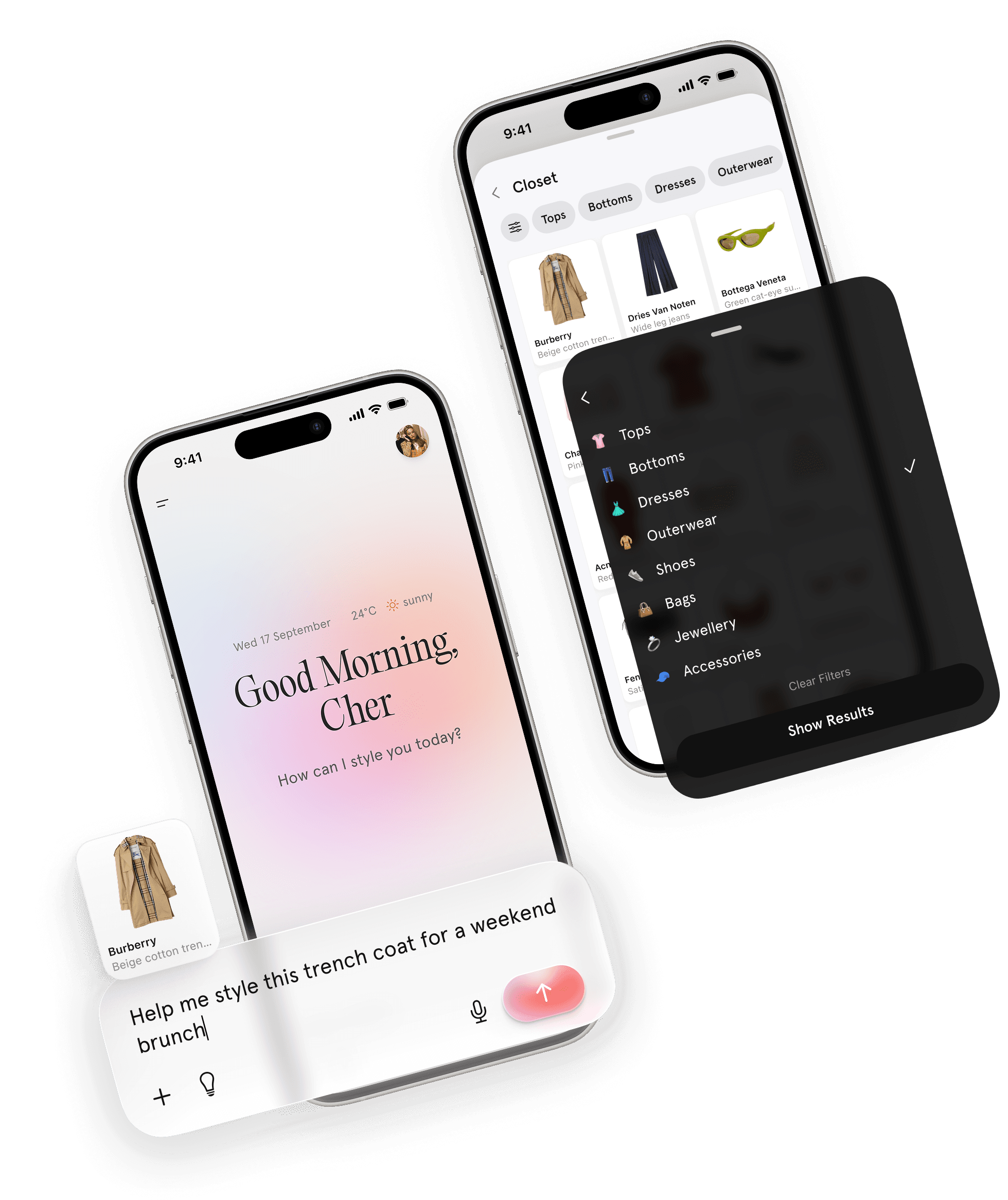
When we commenced our work on FitCheckit, the product was a bare-bones web app built with Lovable, pictured below.
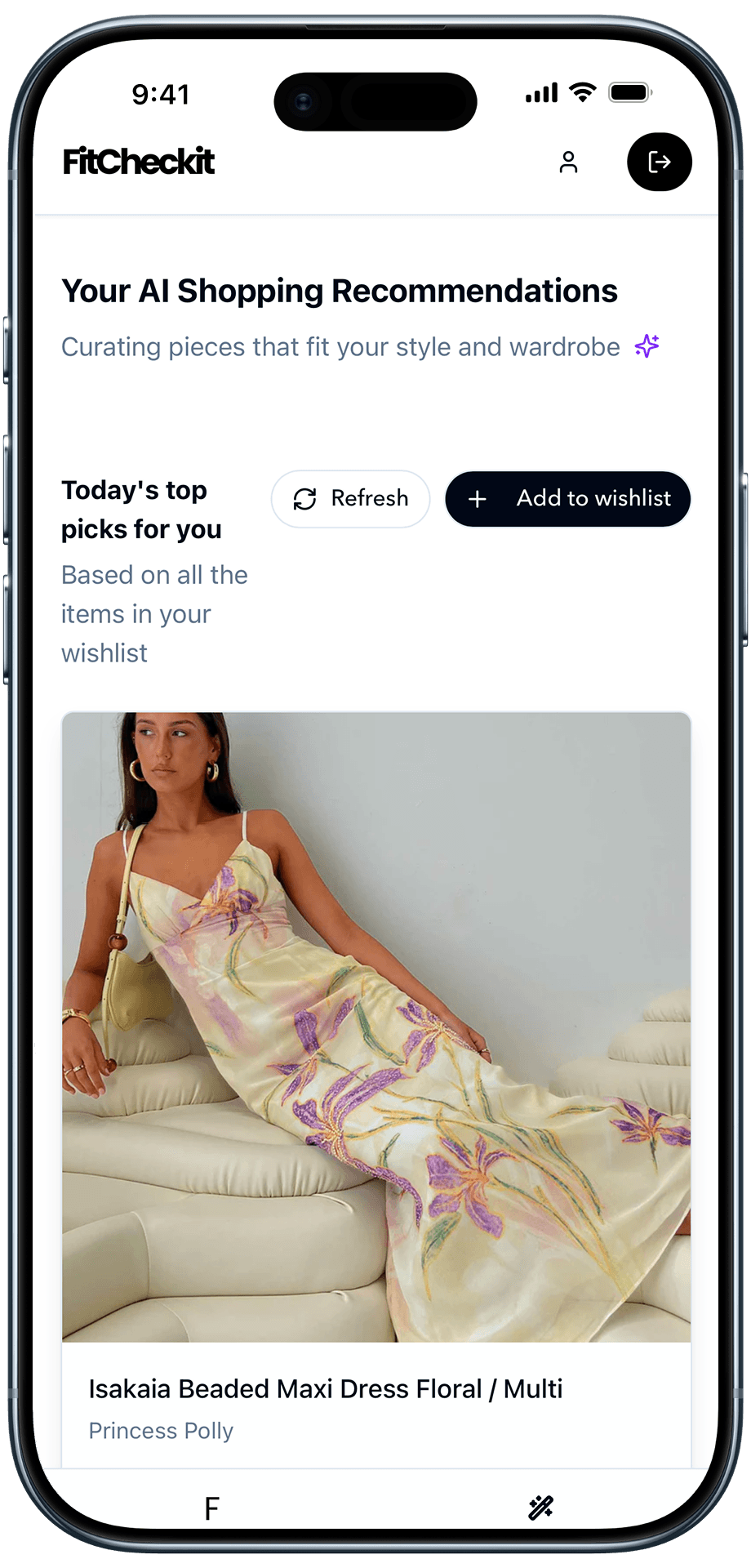
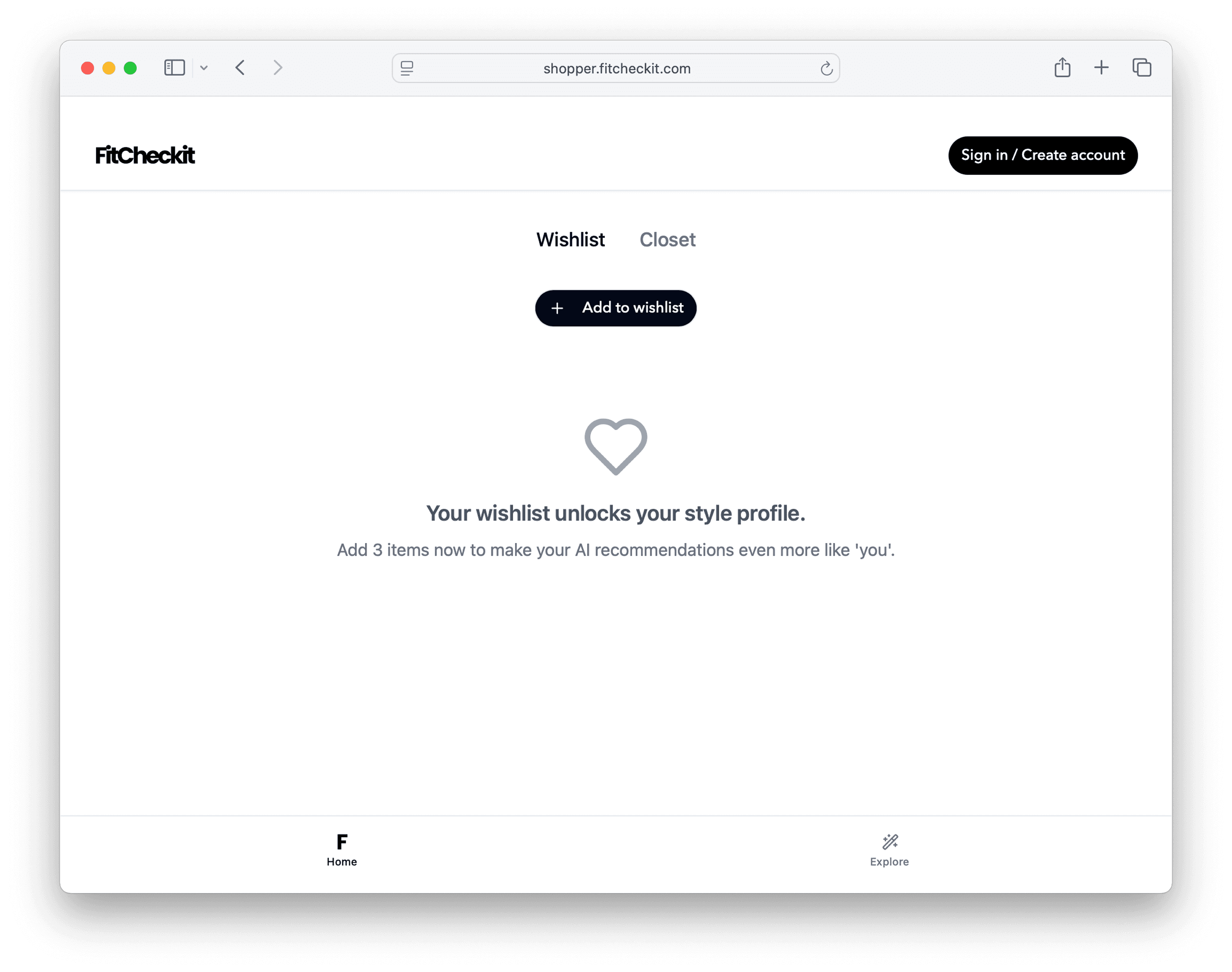
Initial observations
Conceptually rich, à la Clueless.
Infinite-scrolling, algorithmically curated feed immediately establishes an interaction loop.
Minimal interactivity: users are passive consumers and curators, but not creators – a crucial distinction for a personal styling app in particular.
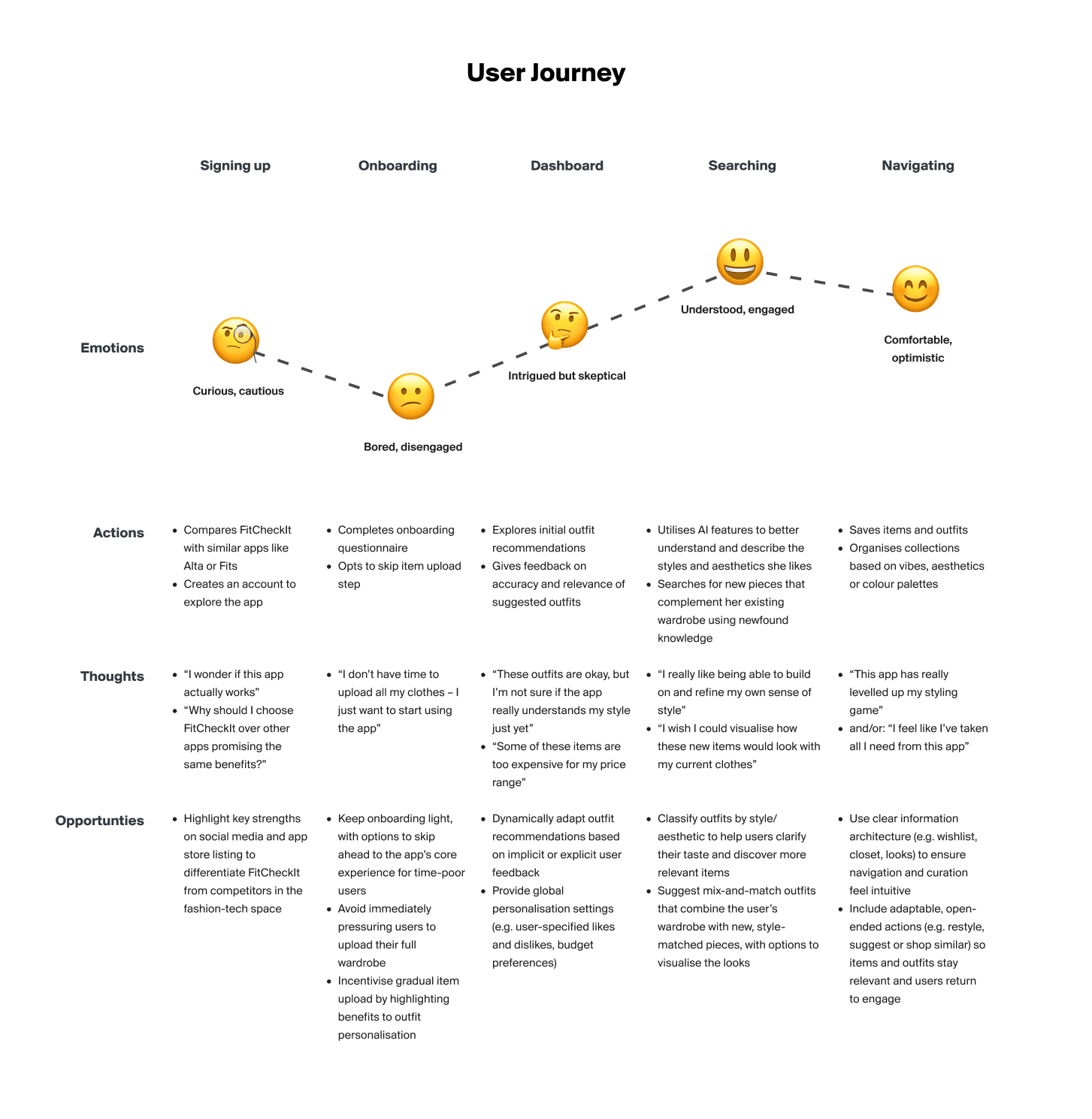
The FitCheckit user: fashion-literate, trend-aware, highly selective.
This user actively curates their identity through clothing and expects digital tools to reflect their taste with precision. They use Pinterest and Instagram for inspiration, but find these platforms passive and non-specific. If value is not demonstrated quickly, they abandon the product.
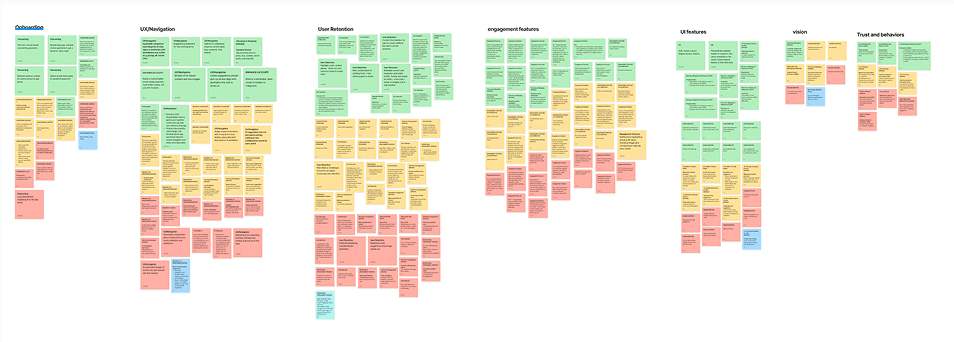
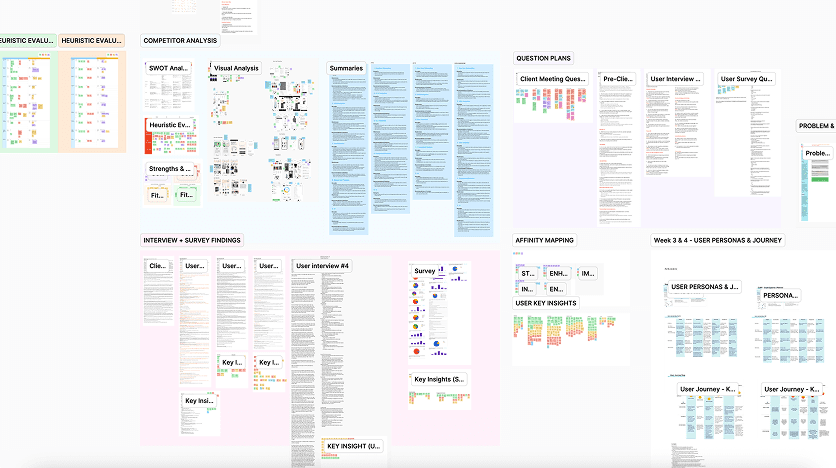
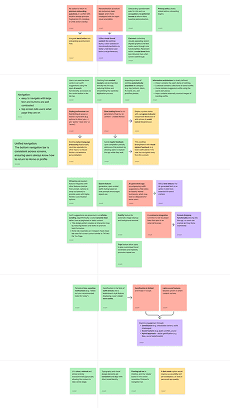
After synthesising our formative research (a competitive analysis, heuristic review and user interviews), some key insights emerged. These insights directly informed the AI stylist experience:
Personalisation is non-negotiable
Users expect immediate proof that the system understands their taste.
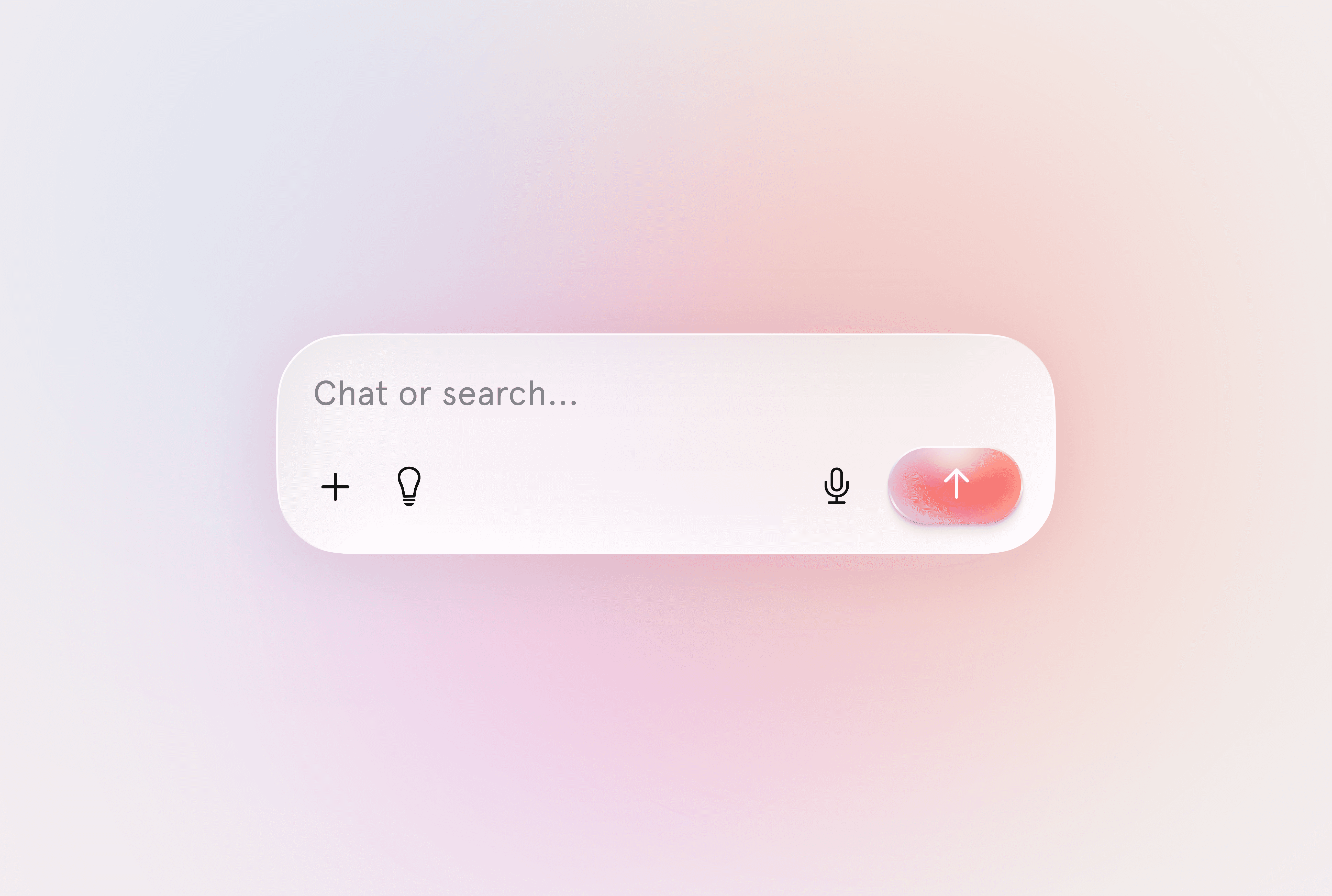
Conversational AI stylist to build trust through dialogue, explanation and feedback
Inspiration alone is insufficient
Users want explanation, structure and language around style beyond images.
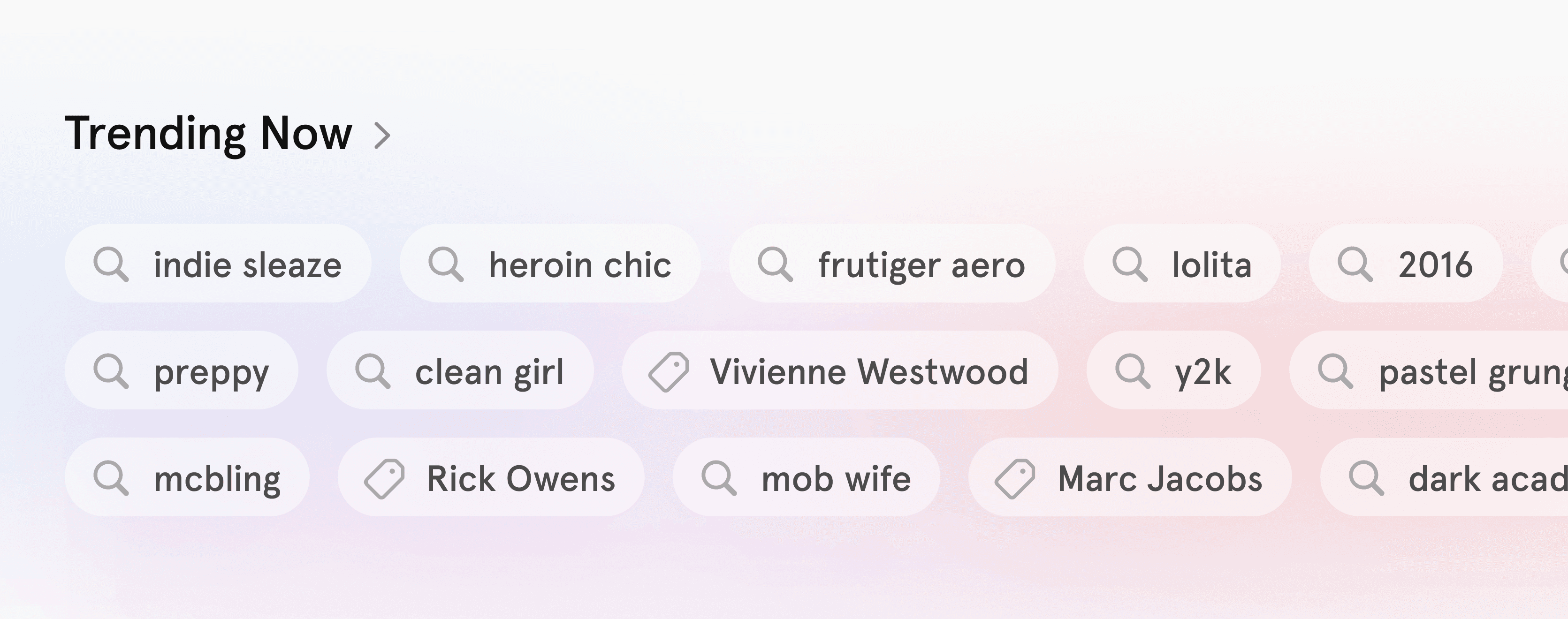
Aesthetic labelling and descriptions to help users articulate and refine their taste
Taste is fluid
Users want to refine and evolve their style, not be locked into static labels.
Adaptive recommendations that respond to feedback and evolve over time
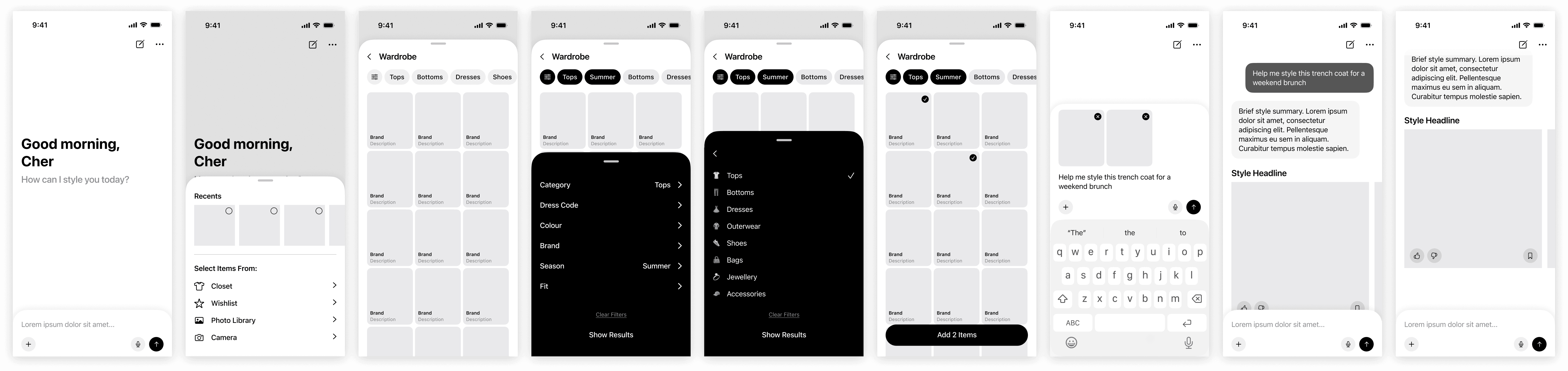
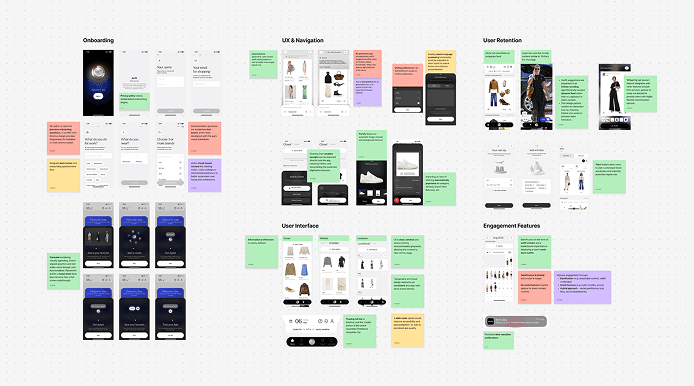
Low- to mid-fidelity prototypes
Stakeholder Objective

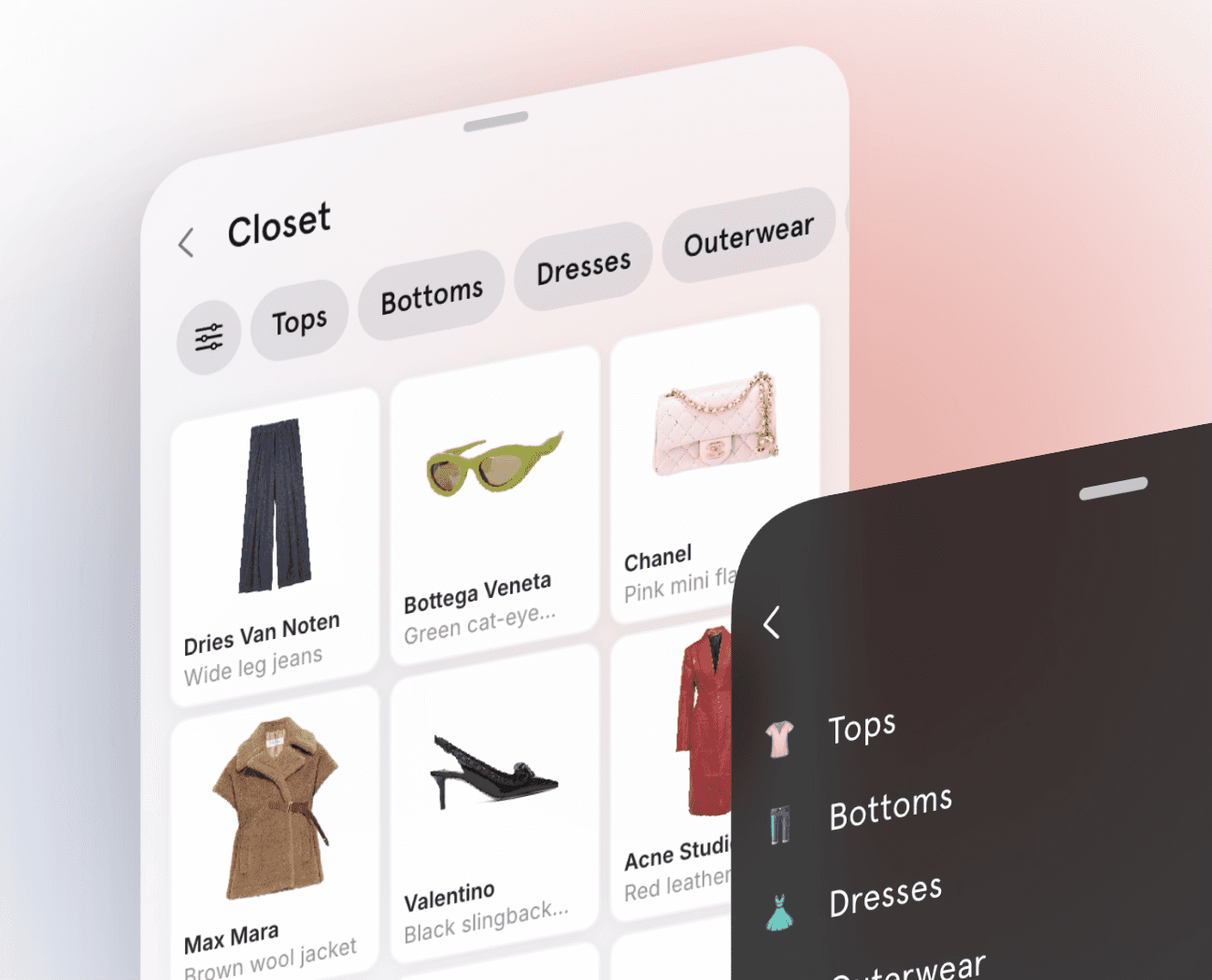
Enhance UX
“Ensure the app is intuitive, seamless to navigate and enjoyable to use, with minimal friction at every step.”
Stakeholder Objective
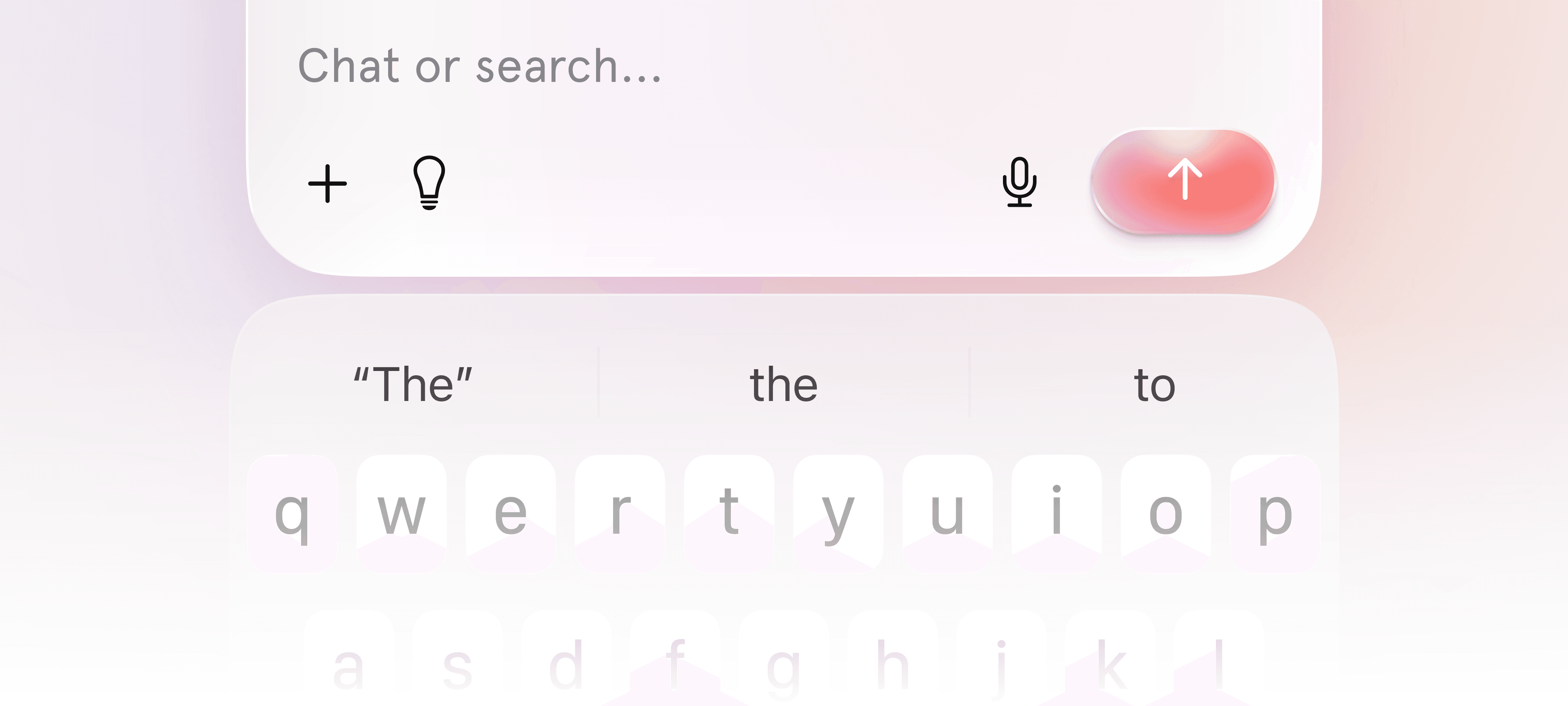
One-tap feedback options support dynamic and adaptive taste-matched recommendations.




Quick start buttons provide a variety of entry points into the stylist and reduce friction.
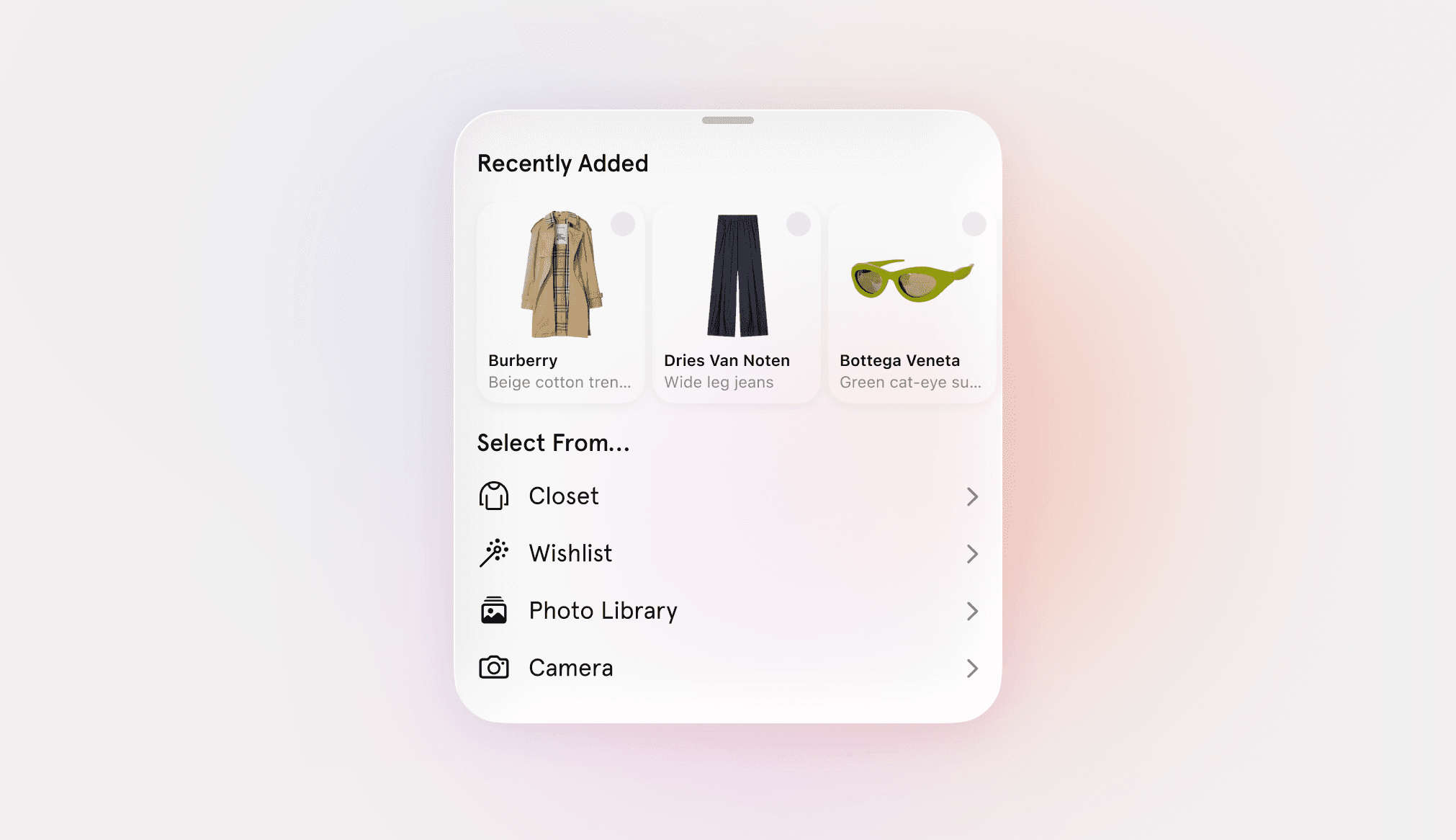
Recently added items are readily accessible from the attach menu.
Stakeholder Objective
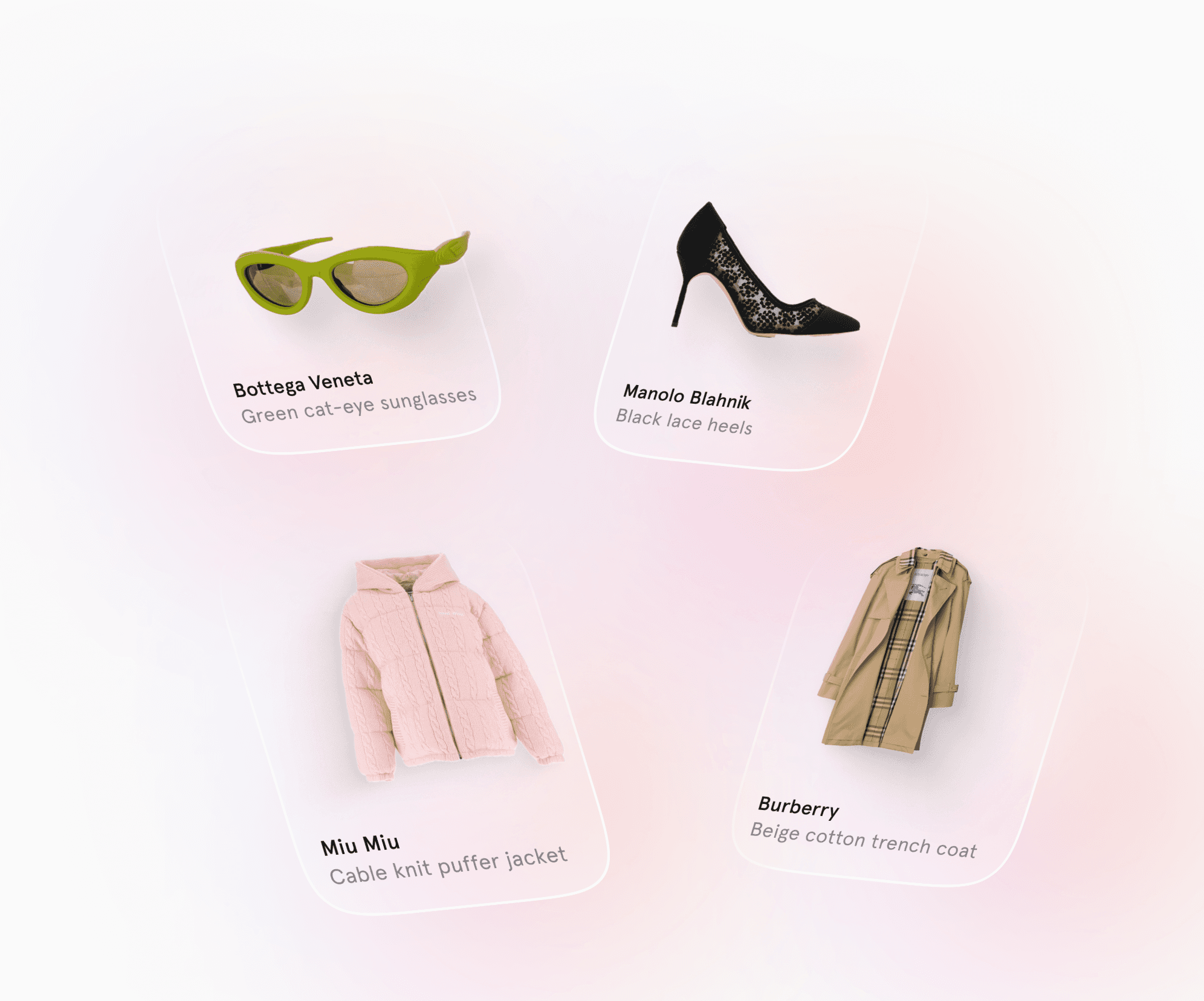

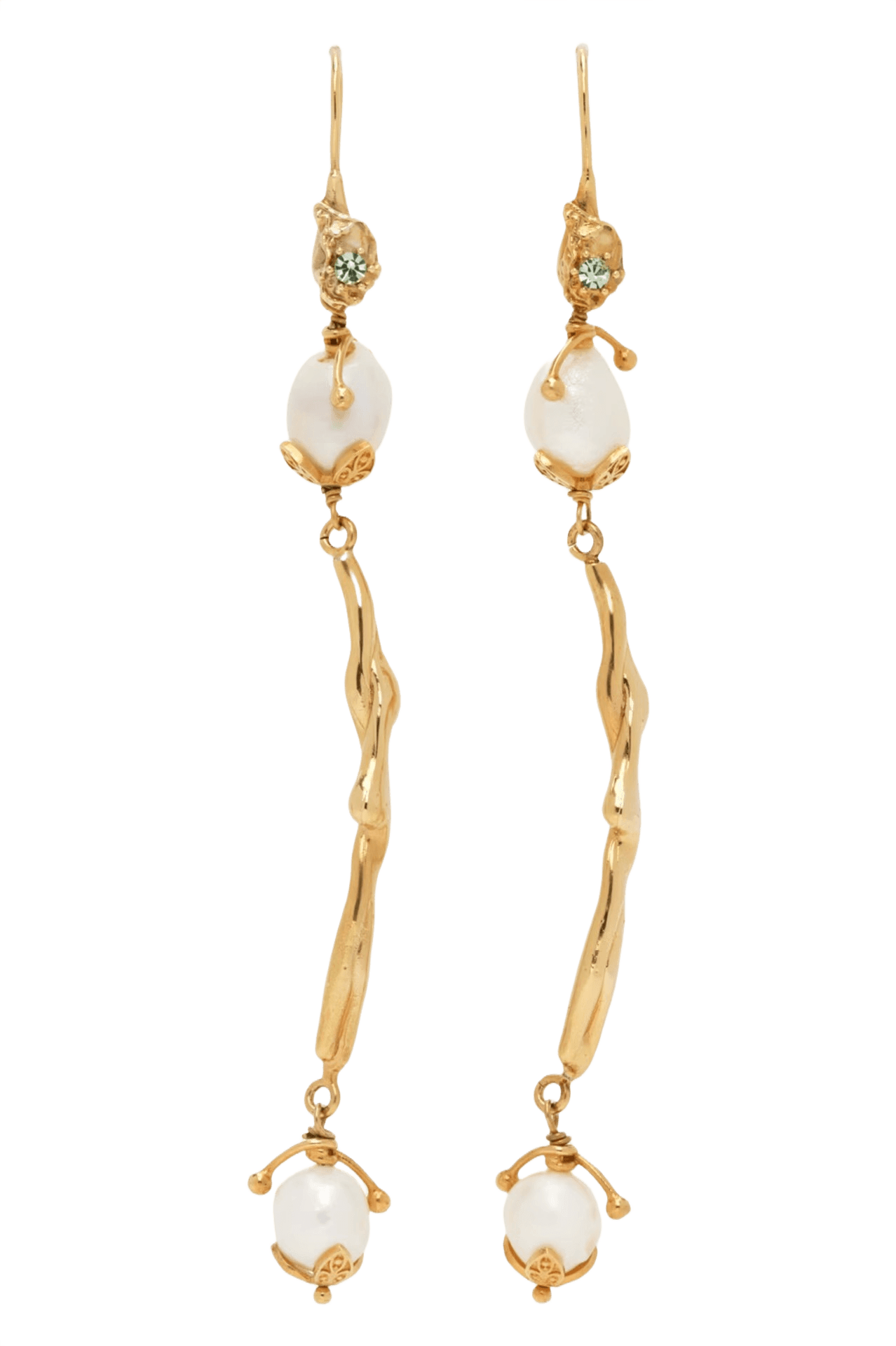
Gold pearl earrings
Marni
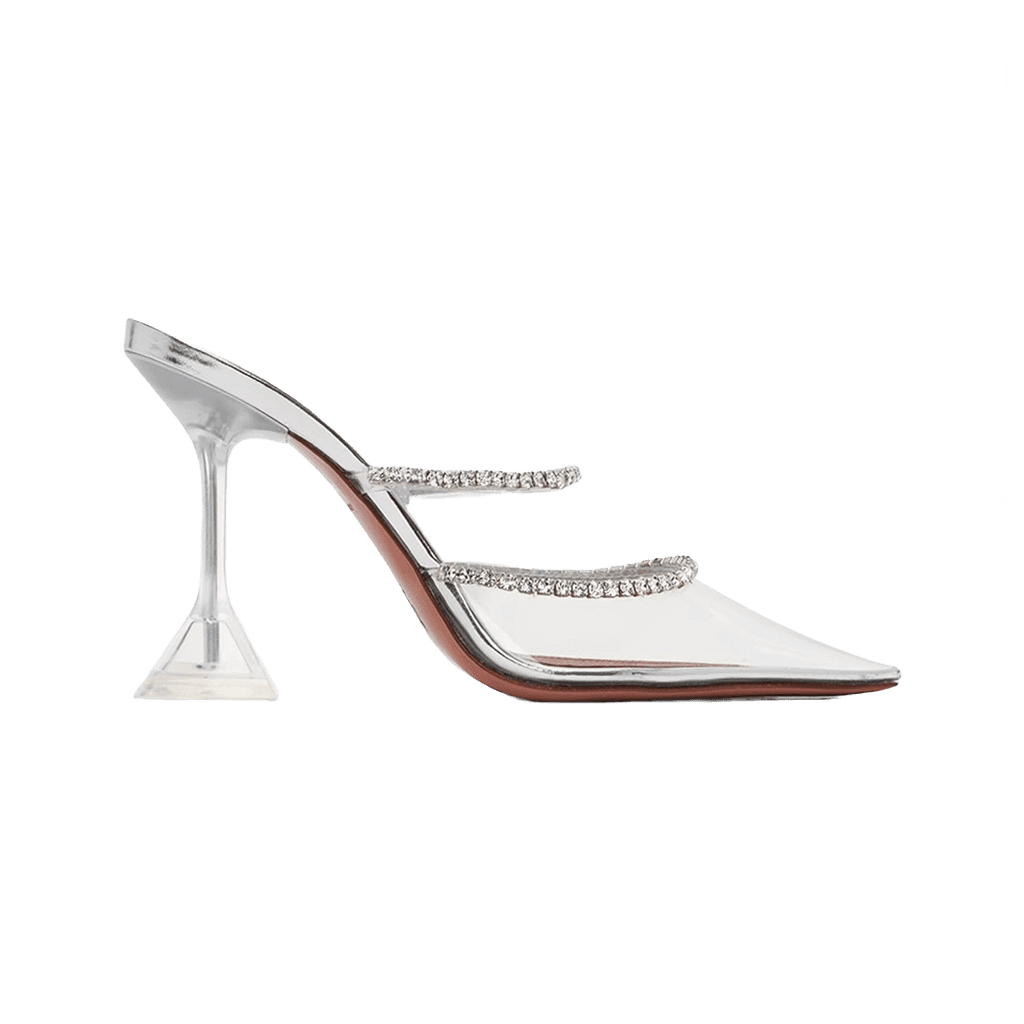
Silver heels
Amina Muaddi
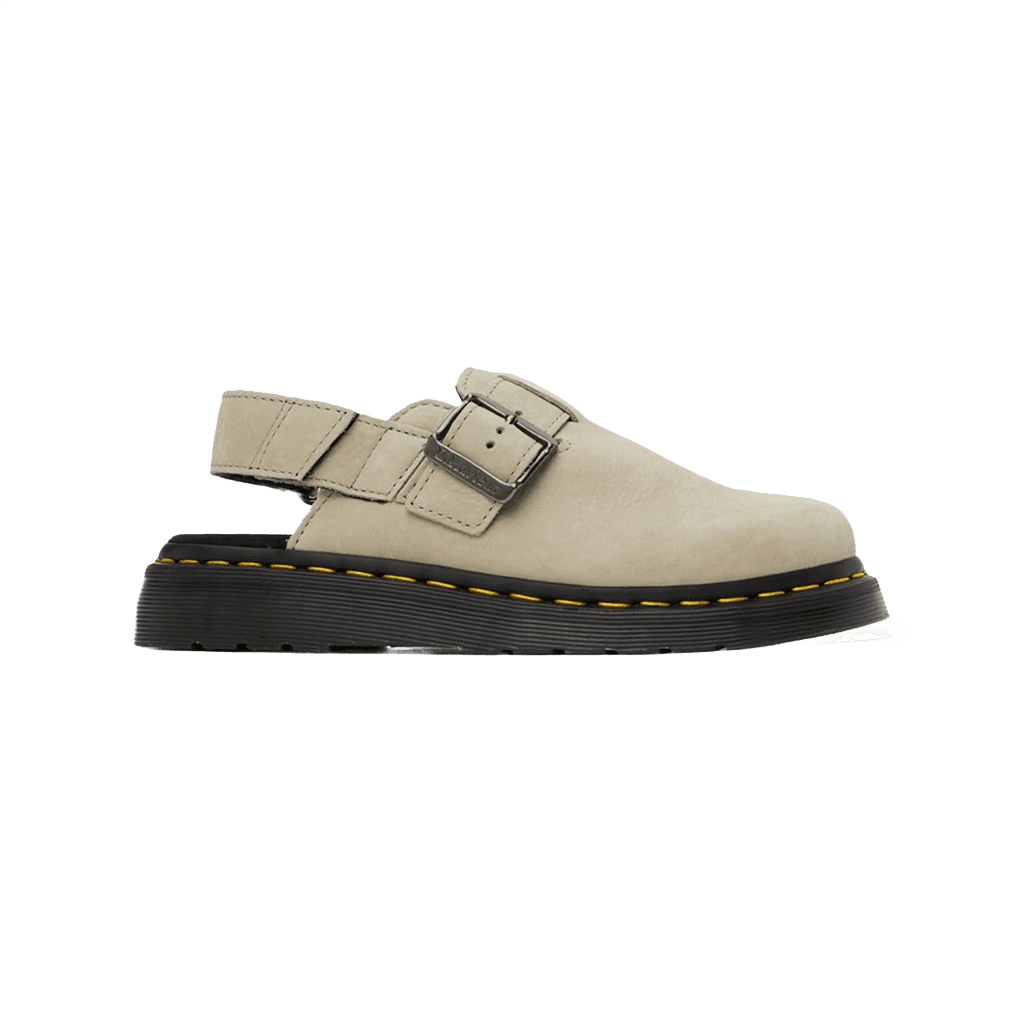
Taupe mules
Dr. Martens
Round tinted sunglasses
Miu Miu

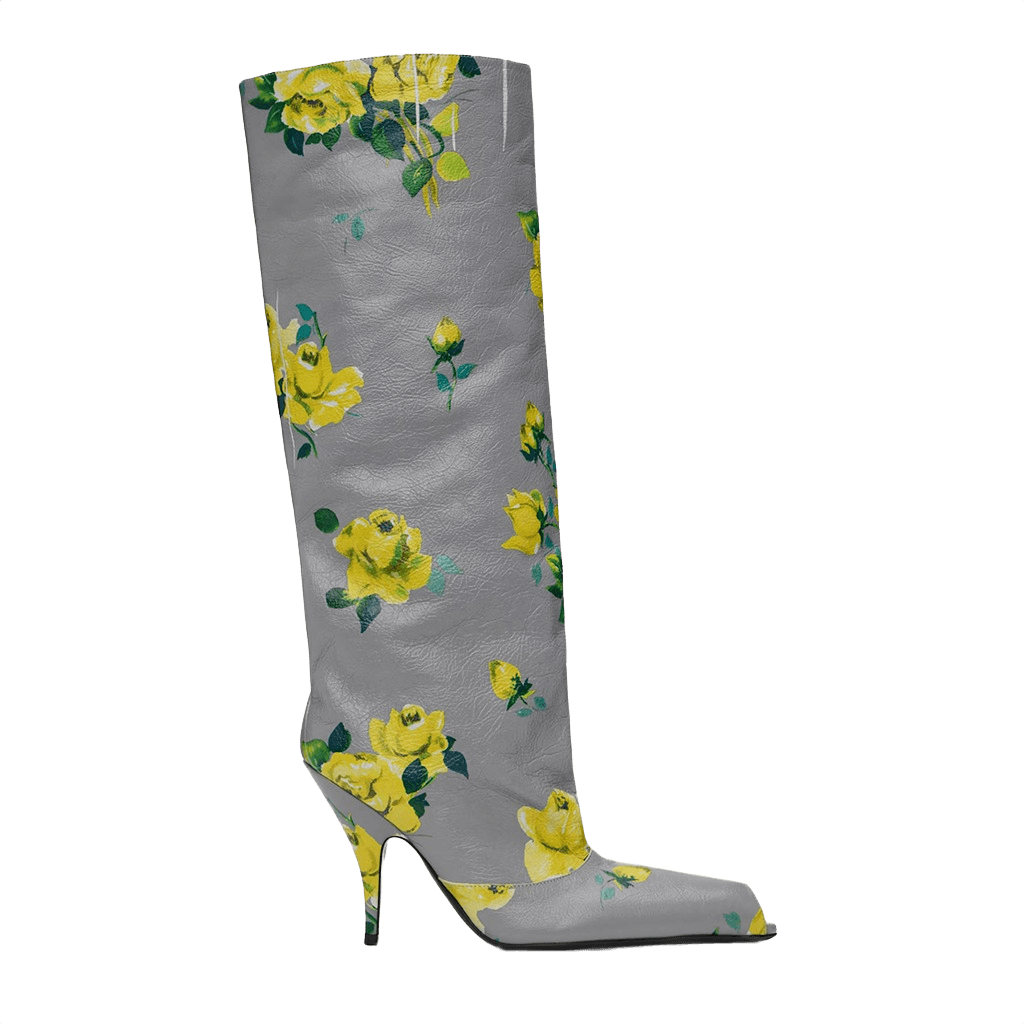
Grey open toe leather boots
Acne Studios
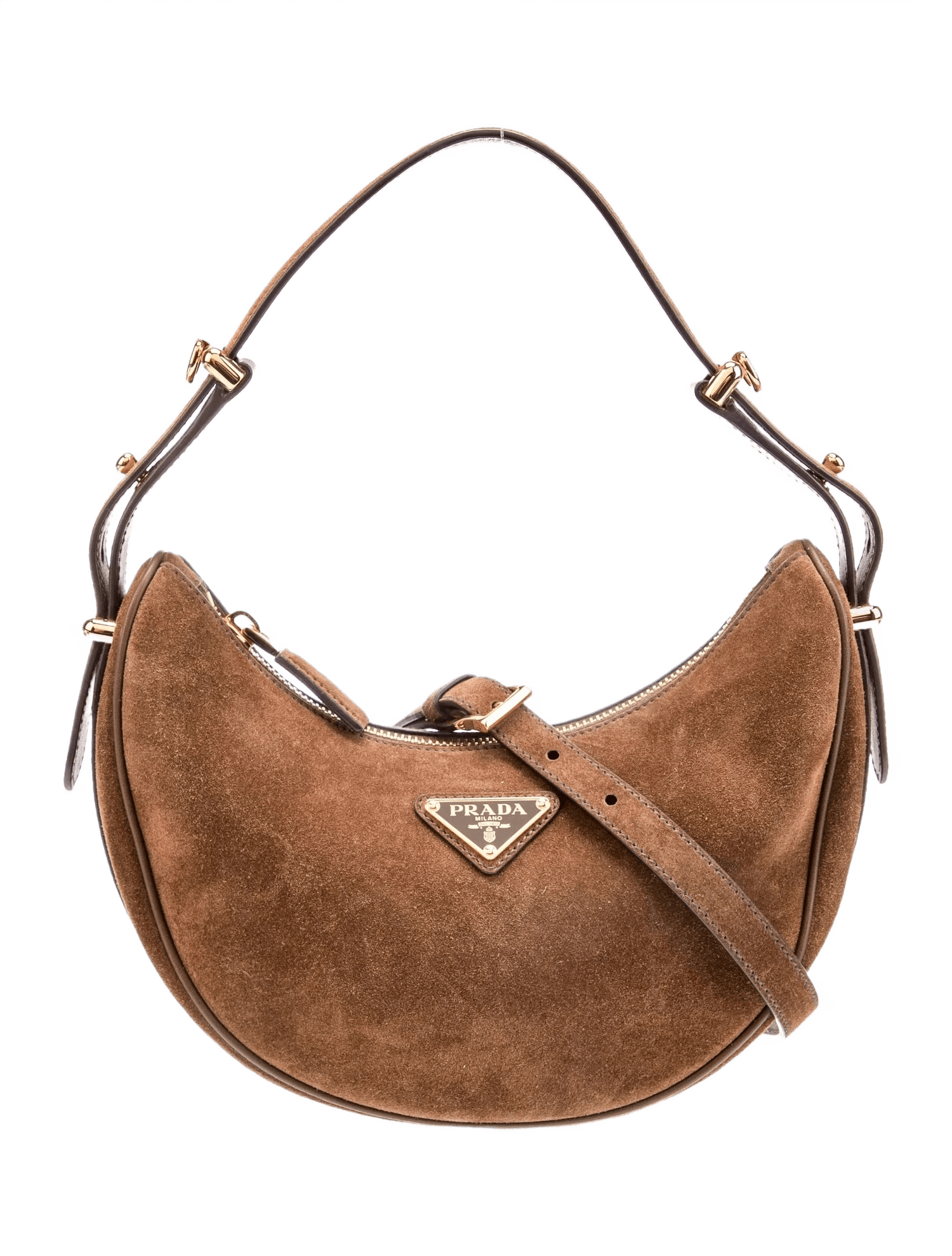
Brown leather shoulder bag
Prada
Beige sneakers
Salomon

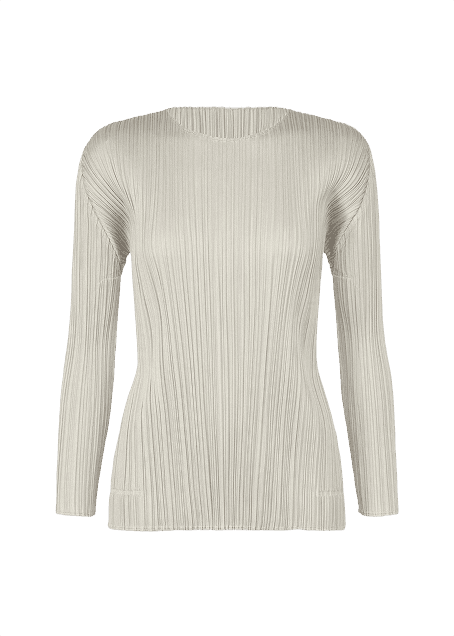
Off-white pleated sweater
Issey Miyake
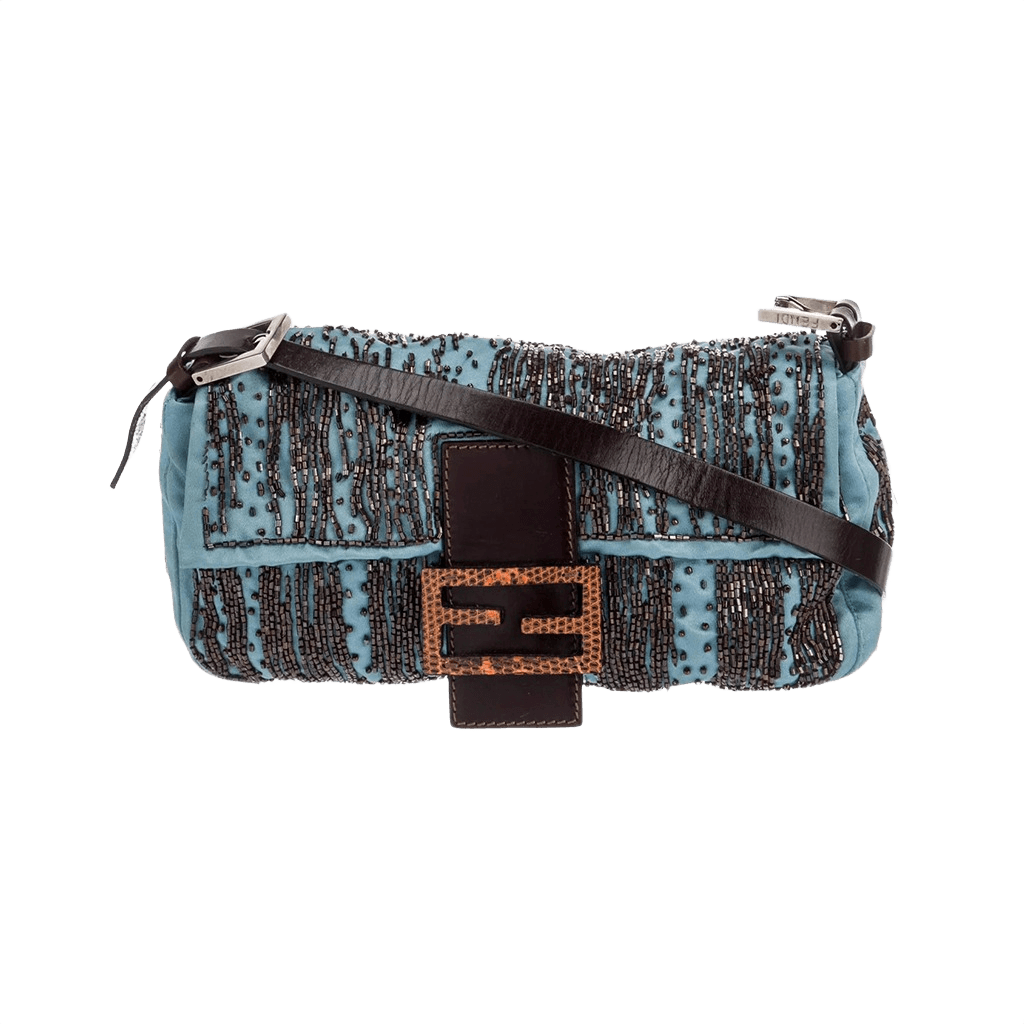
Satin baguette
Fendi
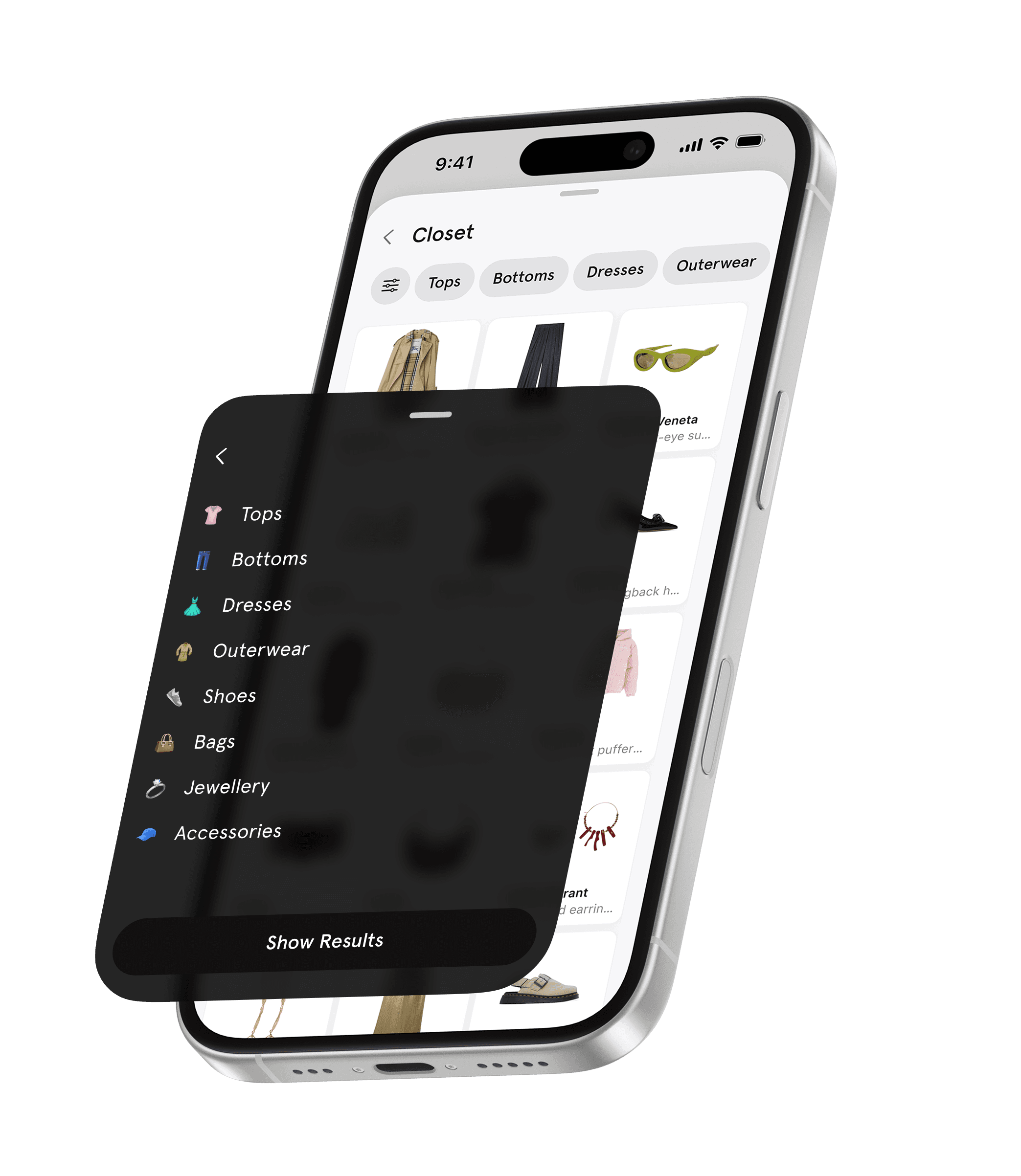
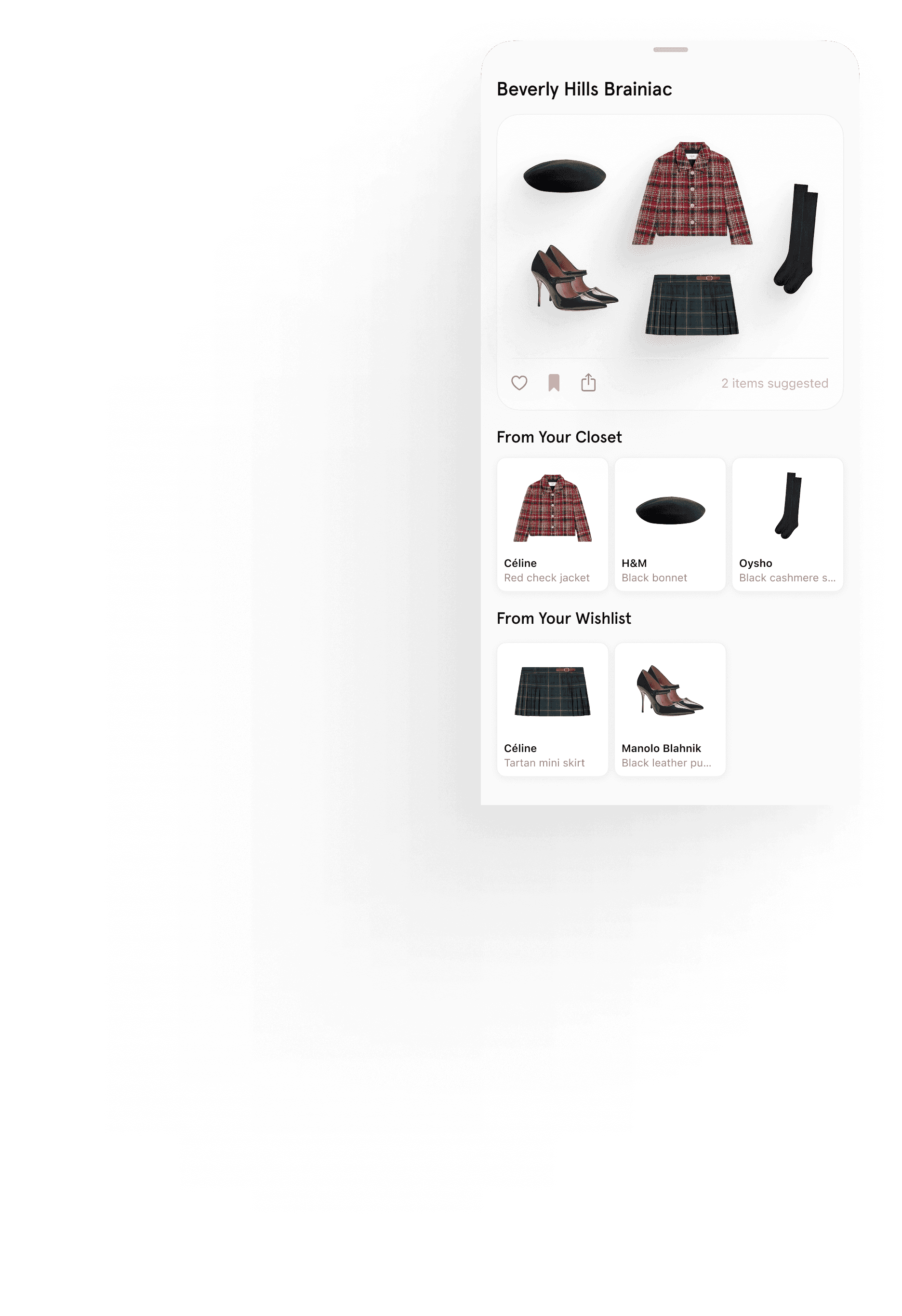
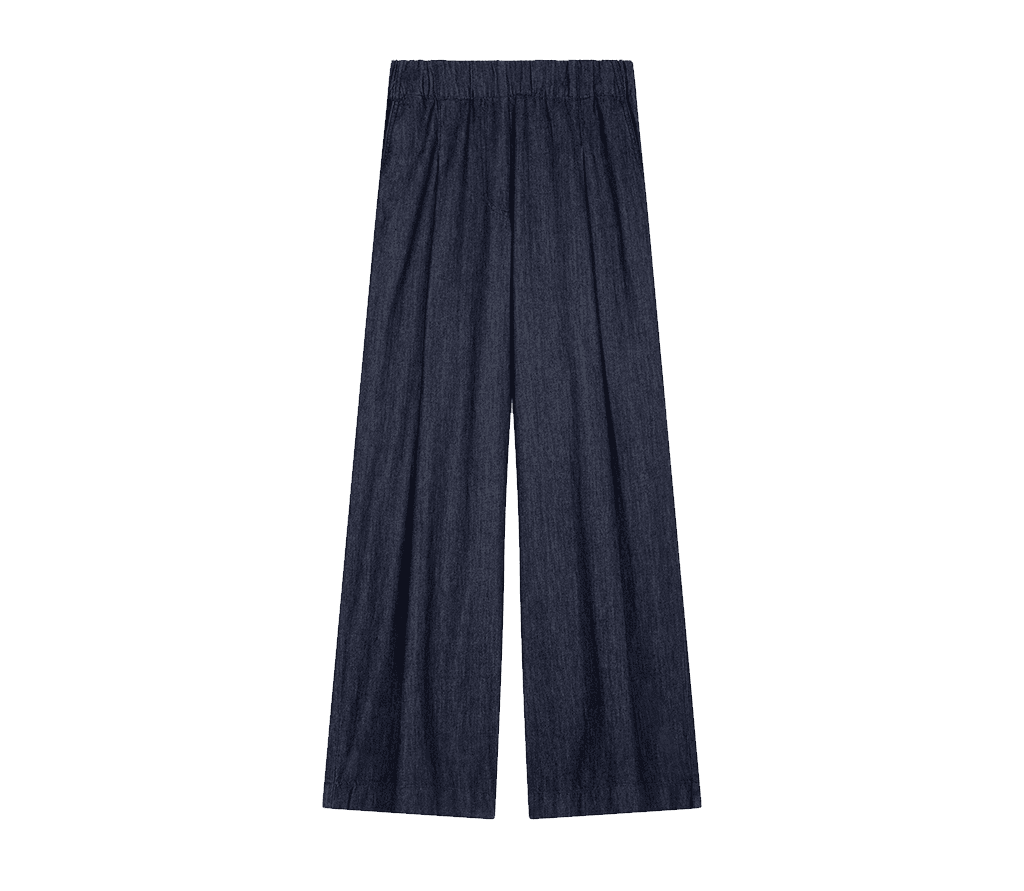
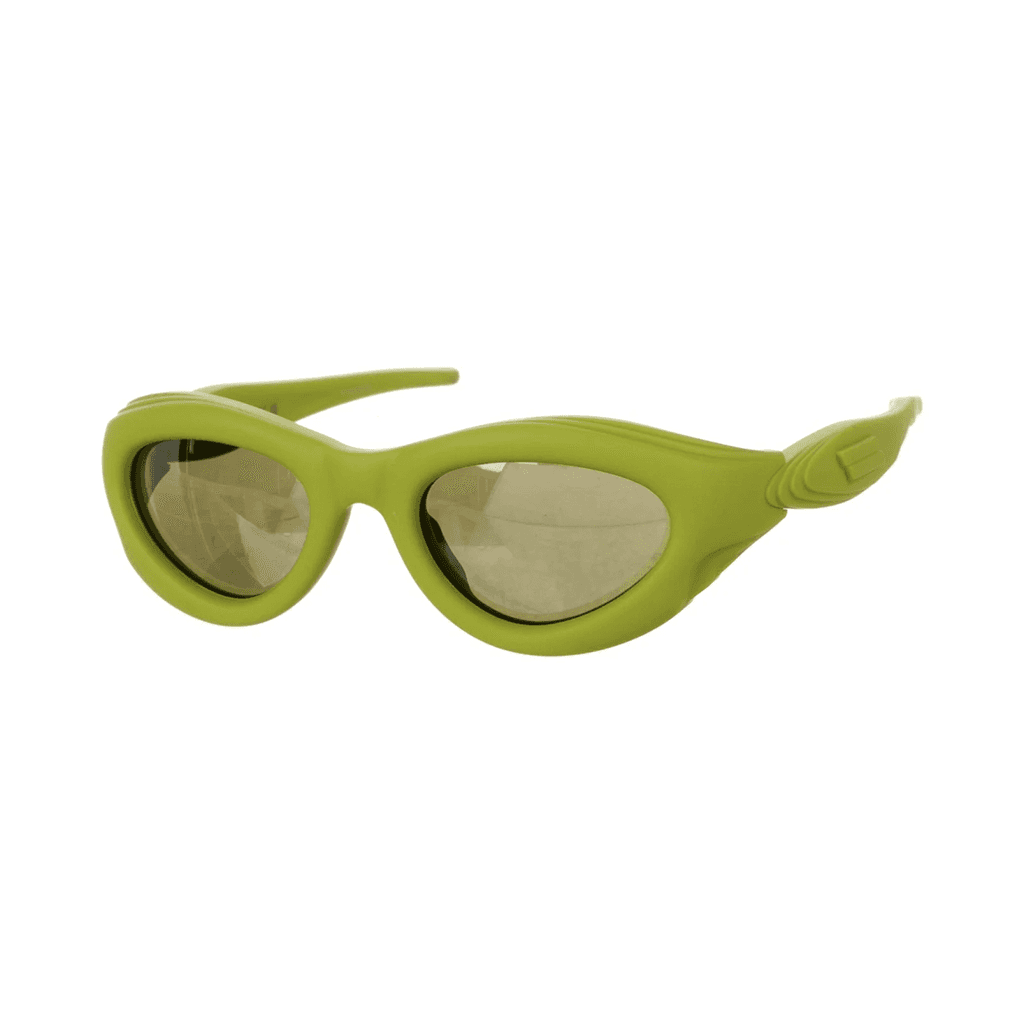
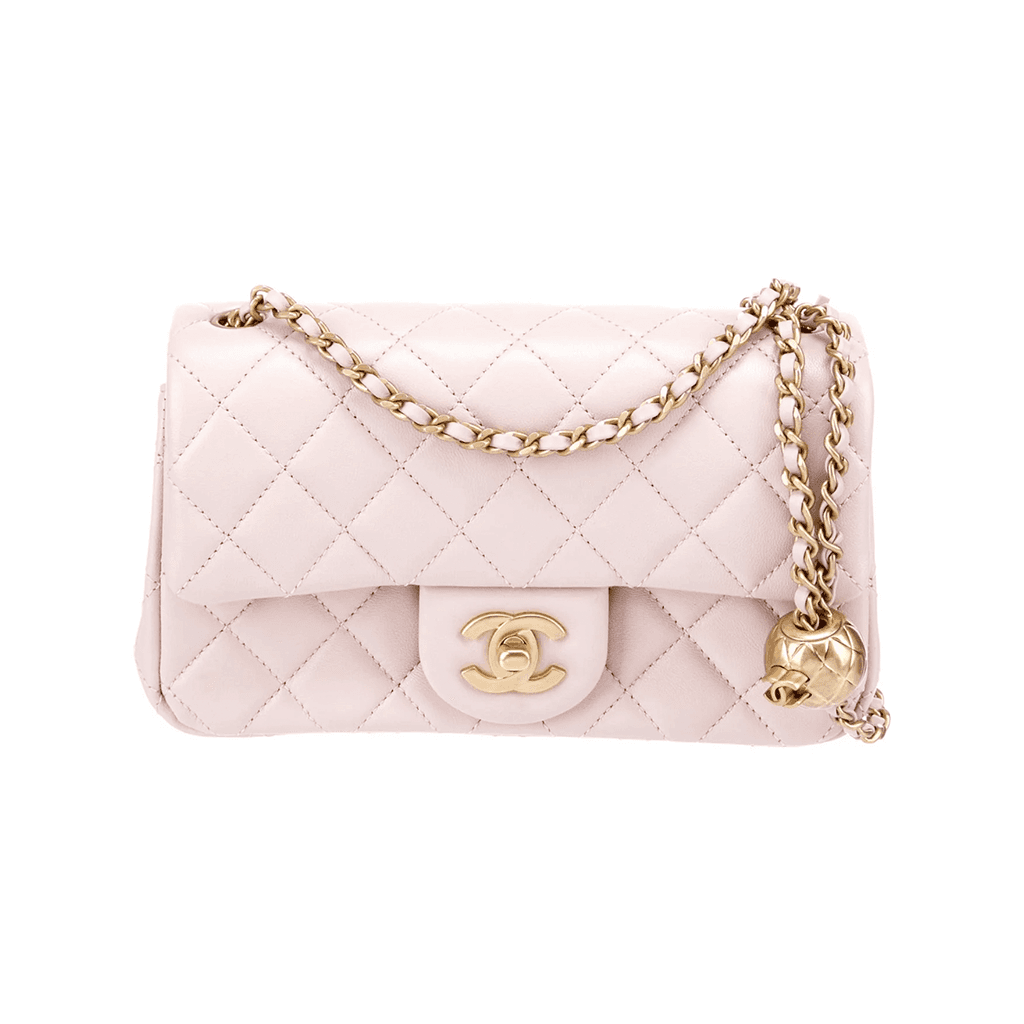
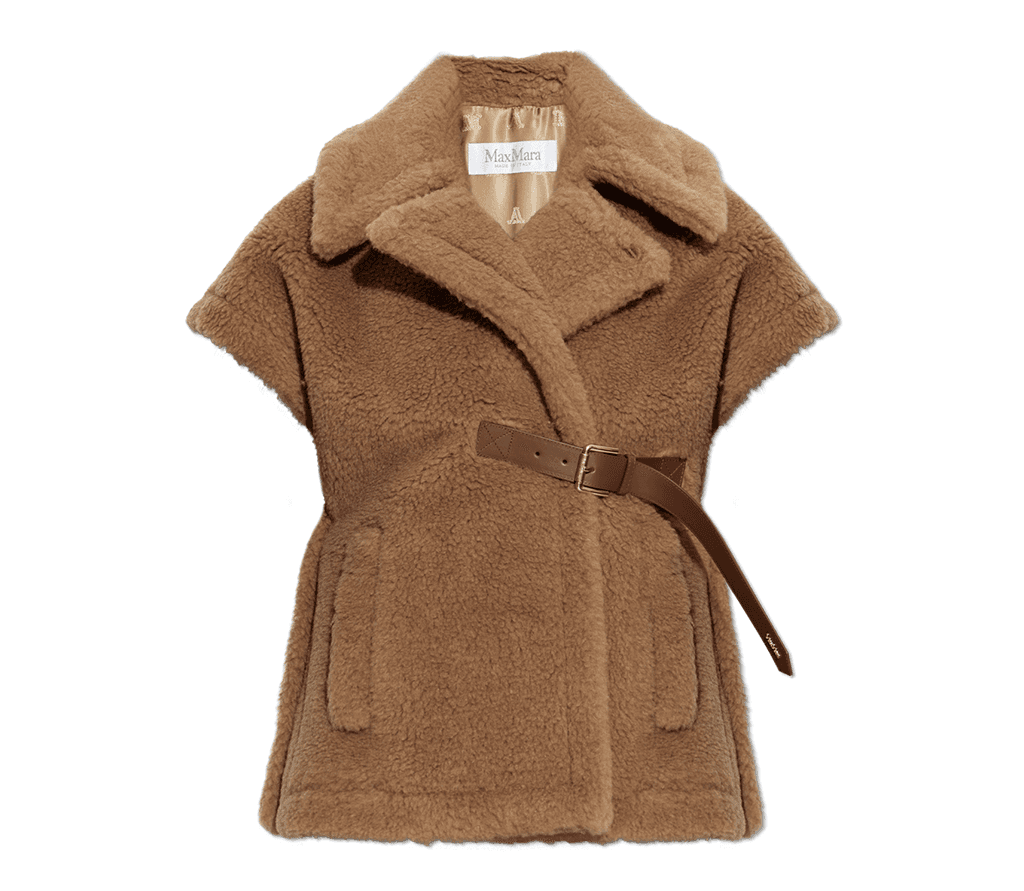
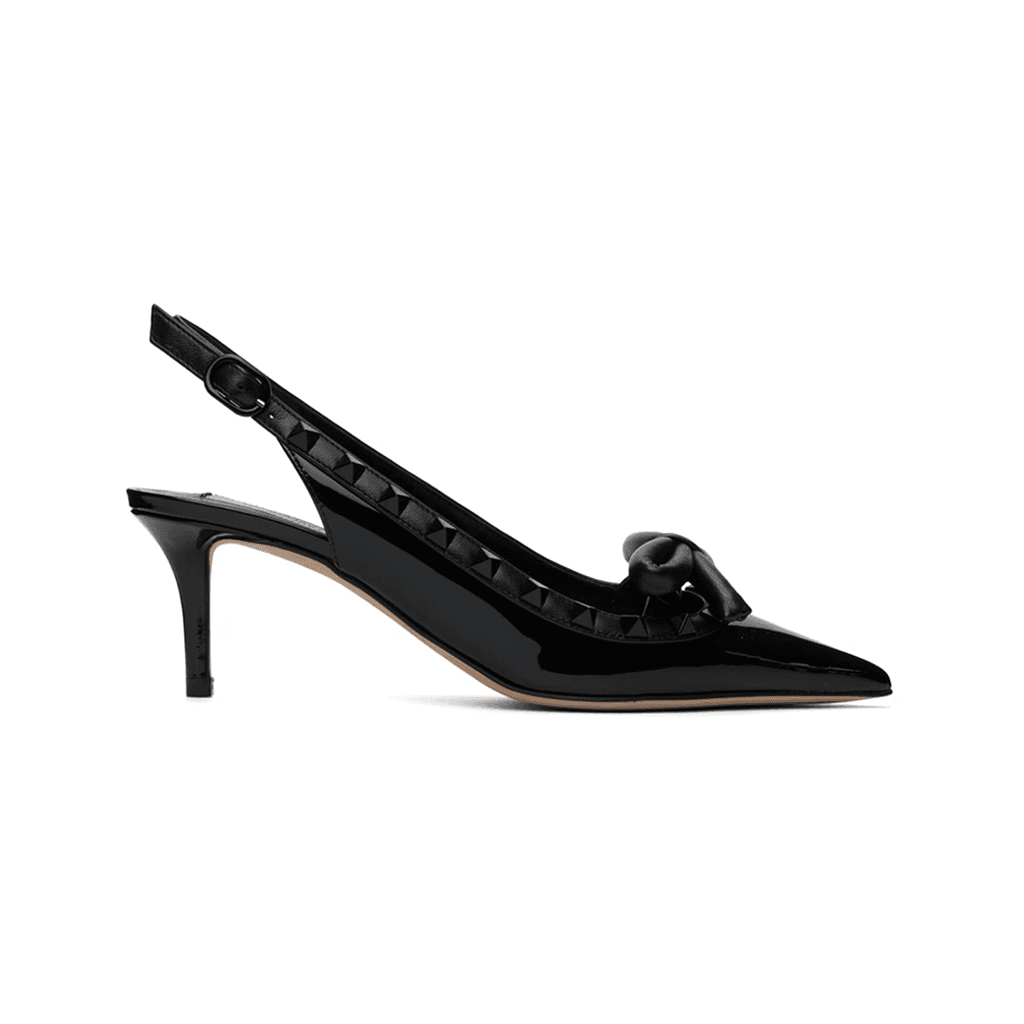
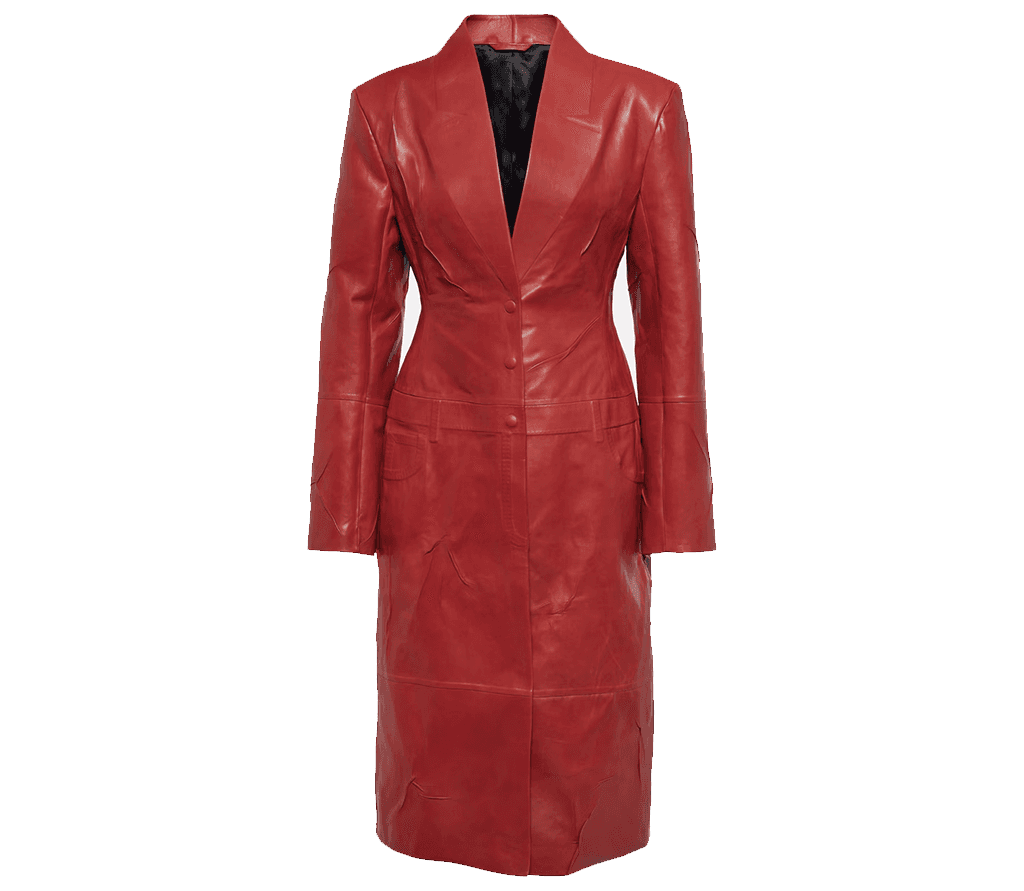
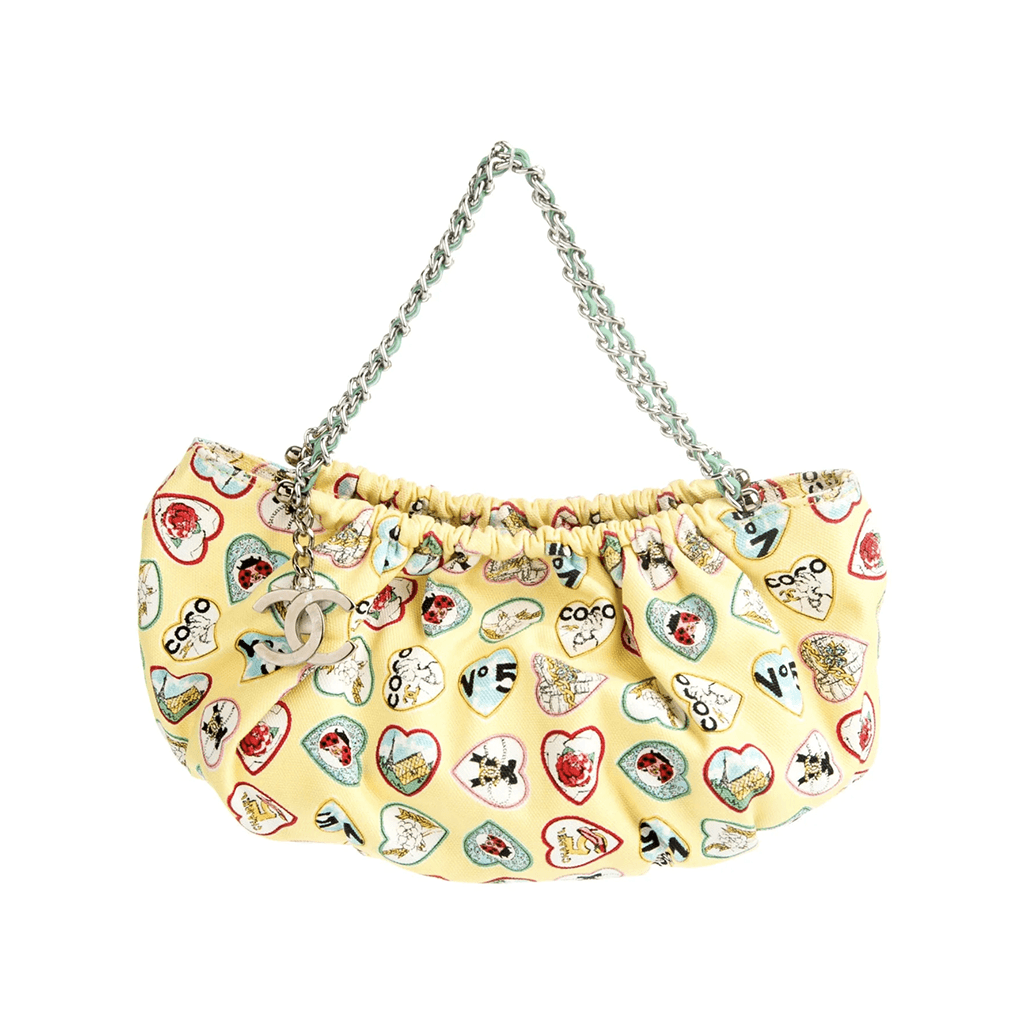
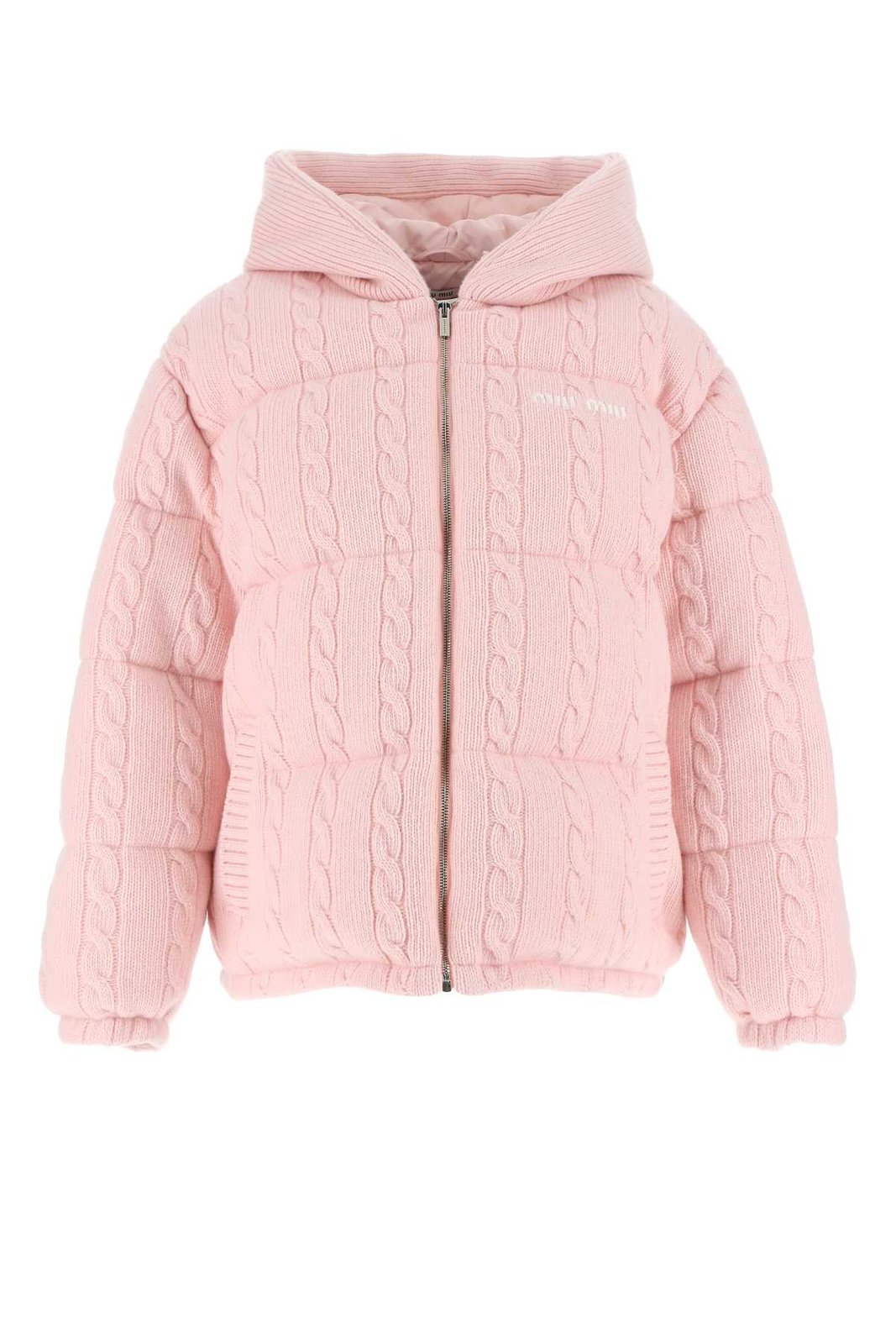
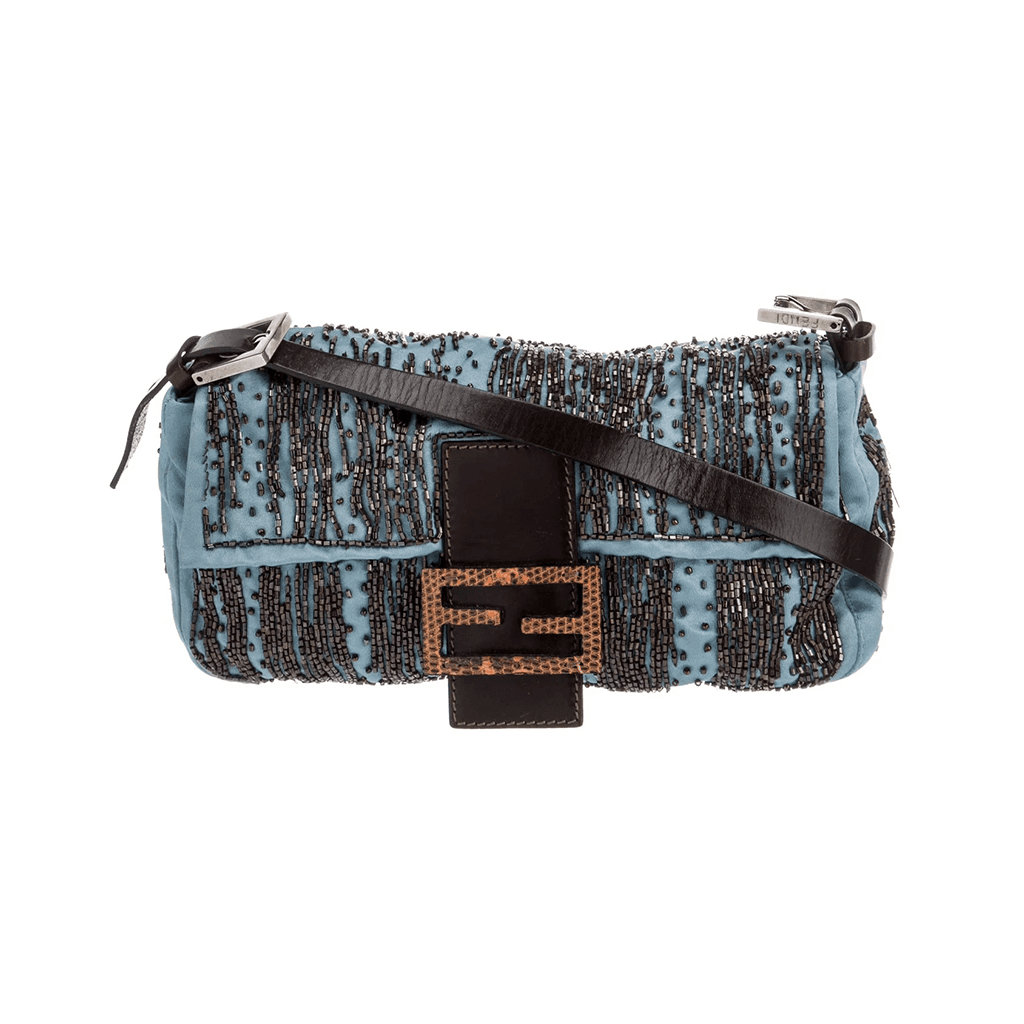
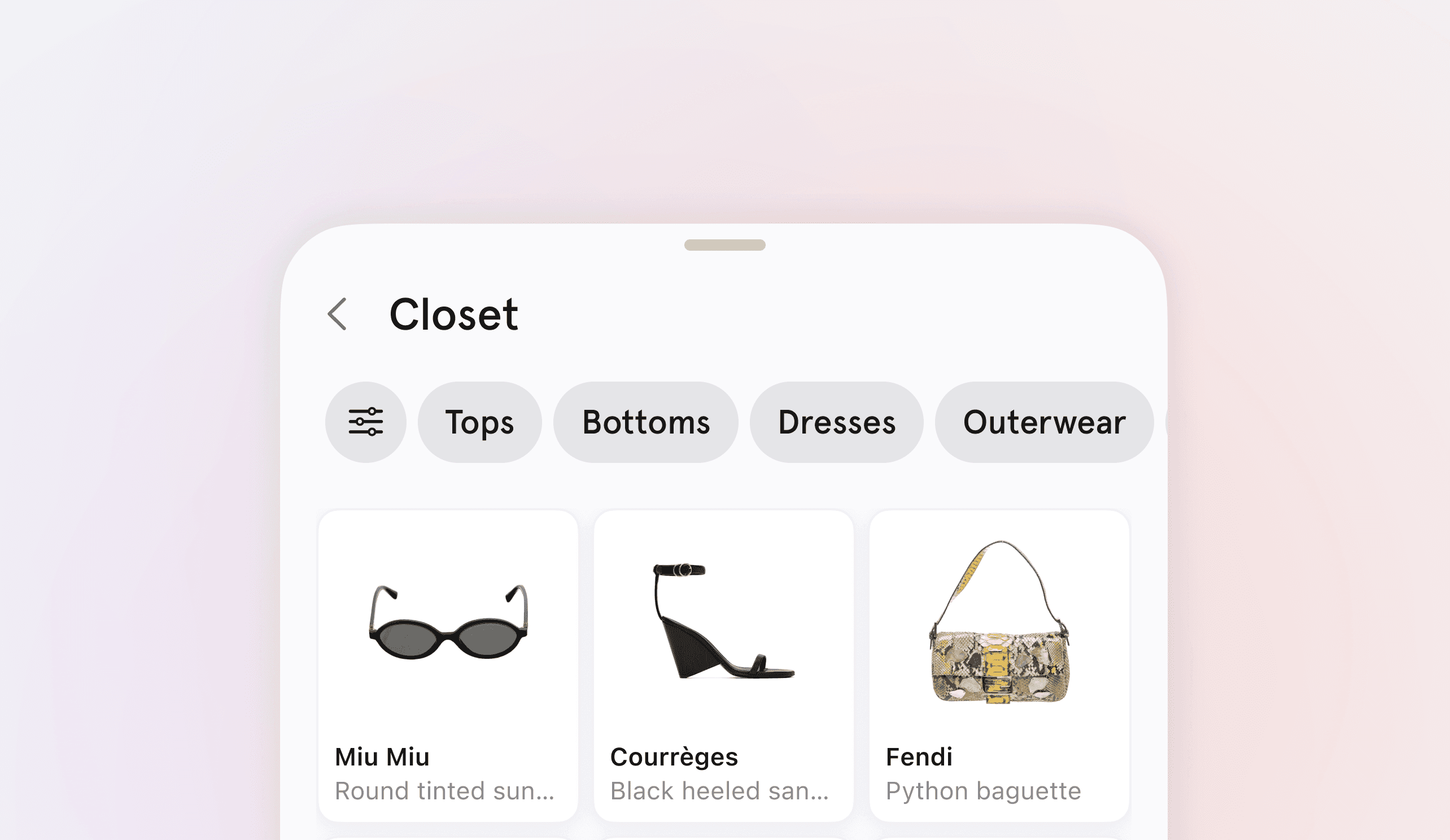
Clothing items are represented using cards throughout the UI to build an intuitive interface metaphor.
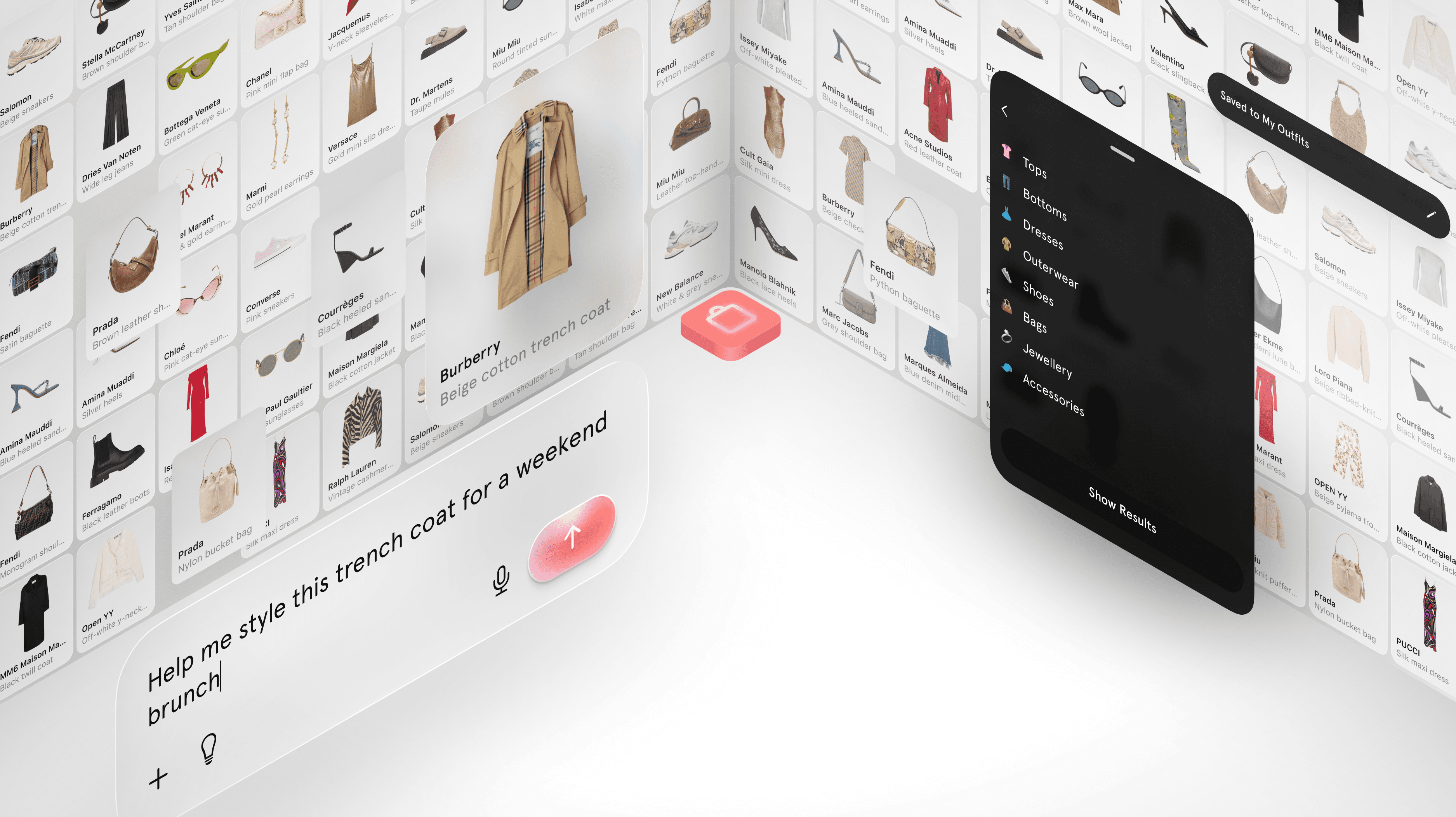
An explorative effort at dissolving the space between the app's UI and a physical wardrobe.
Reflection
This project highlighted that user needs and technological capability often develop independently of one another. Clueless imagined a virtual stylist app – running on an unwieldy '90s desktop computer – decades before the technology required to make it practical existed.
Similarly, present-day user needs, wants and pain points that feel infeasible due to current technical limitations should still be taken seriously. Treating them as valid inputs during ideation helps avoid designing only for what is immediately possible, and instead encourages solutions that anticipate future technological capability.
© 2026 Joseph Cholakyan